

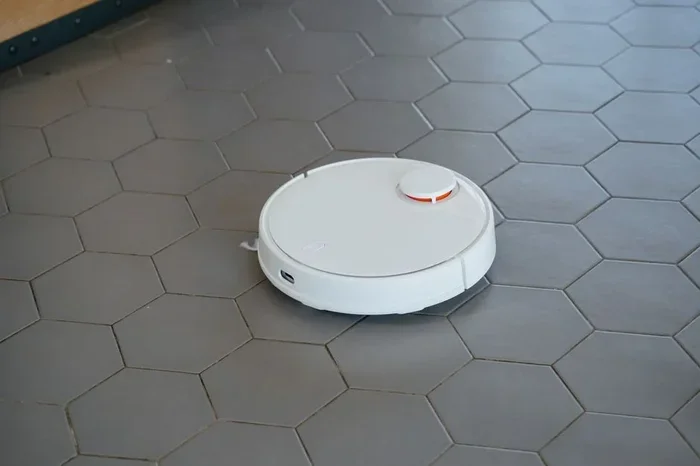
How Robot Vacuums Are Tested Cleaning Vs Obstacle Avoidance reveals two very different challenges that manufacturers must prove. Cleaning tests measure suction, debris pickup, and coverage on various floor types. Obstacle avoidance tests check how well the vacuum navigates around furniture, shoes, and cords without getting stuck. Both areas are critical to buying the right robot vacuum for your home.
Key Takeaways
- Cleaning tests focus on suction power, debris pickup, and coverage across hard floors, carpets, and mixed surfaces to measure real-world performance.
- Obstacle avoidance testing evaluates sensor accuracy, path efficiency, and navigation intelligence in cluttered home environments.
- The best robot vacuums balance both skills rather than excelling in just one area, giving you a complete cleaning experience.
- Independent testing labs use standardized methods that include real-world scenarios, not just clean lab floors.
- Watch for vague marketing claims and always look for specific test data on both cleaning and obstacle avoidance.
- Simple maintenance habits boost performance like emptying the dustbin and clearing floors before running the vacuum.
- LiDAR, AI cameras, and smart sensors are key technologies that drive obstacle detection and floor mapping accuracy.
📑 Table of Contents
How Robot Vacuums Are Tested for Cleaning Performance
Testing a robot vacuum for cleaning is not as simple as running it across a dirty floor. Labs use standardized methods to measure real performance. They look at suction power, brush efficiency, and how well the unit picks up different types of debris. A unit that only works well on clean floors is not ready for real life.
Manufacturers test on hard floors, carpets, and mixed surfaces. They measure how much dust, hair, and crumbs the vacuum removes in a single pass. The goal is to see if the robot vacuum can handle daily messes like spilled cereal or pet hair. Cleaning coverage is another key metric. Testers check whether the unit reaches corners, edges, and open areas evenly.
What Testing Labs Look For
Testing facilities use controlled environments to get consistent results. They sprinkle known amounts of dust and debris on floors. Then they run the vacuum and measure what remains. Key metrics include:
- Suction power measured in air watts or pascals
- Debris pickup rate on hard and soft surfaces
- Edge cleaning performance along walls and corners
- Battery life during a full cleaning cycle
- Dustbin capacity and how often it needs emptying
- Side brush effectiveness at sweeping edges
- Noise level during operation at different speeds
These numbers give buyers a clear picture of what to expect. A unit with strong suction but poor brush design may still miss debris. That is why labs test the whole system together. No single metric tells the full story of cleaning ability. Cleaning modes also matter because different surfaces need different power levels.
Real-World Cleaning Scenarios
Labs also simulate everyday home conditions. They test on dark floors, thick carpets, and around furniture legs. Some facilities even add pet hair or fine dust to see how the robot vacuum handles tough jobs. These tests reveal weaknesses that clean lab floors hide.
Real-world testing matters because a clean lab floor is not the same as a lived-in home. Families with kids and pets need machines that can handle messes daily. The best units show consistent results across different floor types. They do not lose power when switching from tile to carpet.
How Robot Vacuums Are Tested for Obstacle Avoidance
Obstacle avoidance testing is a completely different beast. Here, the focus shifts from cleaning power to smart navigation. Labs set up obstacle courses that mimic real home layouts. They want to see how the vacuum handles the chaos of everyday life.
They place shoes, cords, toys, and furniture in the path. Then they watch how the vacuum reacts. Does it stop in time? Does it go around objects smoothly? These are the questions testers ask. A vacuum that bumps into everything wastes battery life and looks silly.
Sensor Technology in Action
Most modern robot vacuums use a mix of sensors. LiDAR technology maps the room using lasers. Smart sensors detect objects in real time. Some units use cameras powered by AI to recognize common household items like shoes or waste baskets.
Testing labs evaluate how well each sensor type works. They check if the vacuum can detect a sock on the floor or a chair leg in its path. The best units avoid obstacles without slowing down too much. Obstacle detection speed and accuracy are measured side by side during these tests.
Maze Navigation Challenges
Testers also measure path efficiency during obstacle avoidance tests. A good vacuum cleans more floor in less time. It should not get stuck or repeat the same area over and over. Efficient navigation saves battery and delivers better cleaning coverage. The navigation system is evaluated on how quickly it maps a room and how few errors it makes.
Labs track how much of the floor the unit covers. They note how many times it bumps into objects. A high-quality navigation system will map the room and clean in neat rows. Poor navigation leads to missed spots and wasted battery life. The difference between a good and great unit shows here clearly.
Cleaning vs Obstacle Avoidance: The Big Trade-Off
Here is the big question. Should a robot vacuum focus more on cleaning or on avoiding obstacles? The answer depends on your home and your lifestyle. Both skills matter, but their importance shifts based on your living space and daily habits.
In a cluttered space with lots of floor items, obstacle avoidance matters a lot. You do not want your vacuum trapped under the couch every day. In a clean, open space, raw suction and brush performance take priority. The best buyers weigh both factors before choosing a model.
Why Both Matter
A great cleaning robot that gets stuck every five minutes is frustrating. A smart navigator that leaves dirt behind is useless. The best units balance both skills well. You want a machine that cleans thoroughly and moves through your home without help. Robot vacuum testing that covers both areas gives you the most useful information.
Buyers should look for a machine that scores well in both areas. Robot vacuum testing that only checks one side gives a misleading picture. Always check reviews that cover both cleaning and navigation. A balanced test gives you confidence in your purchase decision.
Where Manufacturers Cut Corners
Some brands spend heavily on marketing but skimp on testing. They may claim great obstacle avoidance but use cheap sensors. Others focus on suction but ignore navigation software. These shortcuts show up in real-world use quickly.
Watch out for vague claims like “smart navigation” or “powerful cleaning.” Look for specific test results and independent reviews. Floor mapping accuracy and cliff sensors are good signs of thorough engineering. A brand that shares detailed test data earns more trust from buyers.
What the Best Robot Vacuums Do Right
Top-rated units excel in both cleaning and obstacle avoidance. They combine strong suction with intelligent obstacle detection. Here is what sets the best models apart from the rest.
Top Features to Look For
- Multi-floor mapping so the vacuum remembers different rooms
- Obstacle avoidance cameras powered by AI for smart detection
- Adjustable suction that switches between floor types automatically
- Virtual walls and no-go zones set up through the app control
- Long battery life that covers large homes on a single charge
- Quiet operation for nighttime cleaning without disturbance
- Self-emptying dustbins that reduce maintenance effort
- Charging dock placement flexibility for easy access
Real-World Performance Tips
To get the best results, keep your floors clear before running the vacuum. Pick up small items like socks and toys. This helps the obstacle detection system work at its best. A clear path means fewer interruptions and faster cleaning. It also protects your wheel design from getting tangled in loose items.
Also, empty the dustbin after each run. A full bin reduces suction power and cleaning quality. Regularly clean the brushes to prevent hair tangles. These simple steps keep your robot vacuum performing like new for years. Check the charging dock connection regularly to ensure uninterrupted battery life during cleaning cycles.
Common Mistakes in Robot Vacuum Testing
Not all testing methods are created equal. Some labs use outdated or incomplete approaches. Here are common mistakes to watch for when reviewing test results.
Flawed Testing Methods
Some testers only run the vacuum on a single surface. They ignore carpet, tile, and hardwood. This gives a false sense of cleaning power. A proper test covers all common floor types in a home. A unit that excels on tile but fails on carpet is not a complete winner.
Others test obstacle avoidance in an empty room. That is not realistic. Real homes have chairs, tables, and cables everywhere. Labs should simulate real living spaces for accurate results. Testing in a cluttered room gives a much better picture of daily performance and obstacle detection capability.
What Consumers Should Watch For
When reading reviews, look for detailed test data. Vague claims without numbers are a red flag. Check if the reviewer tested both cleaning and navigation. A balanced review gives you the full picture of what to expect from the robot vacuum.
Also pay attention to side brush design and wheel design. These small parts affect both cleaning and movement. A well-built unit handles both jobs with ease. Cheap parts lead to breakdowns and poor performance over time. Noise level is another factor that is often overlooked in testing but matters greatly at home.
Final Thoughts on Robot Vacuum Testing
Understanding how robot vacuums are tested helps you make a smarter buying choice. Cleaning performance and obstacle avoidance are two sides of the same coin. Neither should be ignored if you want a great home cleaning experience.
Look for units that prove their skills in both areas. Check independent test results and real user reviews. A well-tested robot vacuum will keep your floors clean and navigate your home with confidence. The right machine saves you time and effort every single day.
Take the time to compare models before you buy. Focus on real-world performance, not just marketing promises. The best robot vacuum for you is one that scores high in both cleaning and obstacle avoidance. Make an informed choice and enjoy a cleaner, smarter home.
Frequently Asked Questions
How are robot vacuums tested for cleaning performance?
Labs use controlled environments where they spread known amounts of dust, hair, and debris on different floor types. They measure how much is picked up after a single pass and track metrics like suction power, debris pickup rate, and edge cleaning performance.
What technology do robot vacuums use for obstacle avoidance?
Most modern units use a combination of LiDAR technology, smart sensors, and AI-powered cameras. These work together to detect objects in real time and map the room accurately for smart navigation around furniture and clutter.
Is obstacle avoidance or cleaning power more important?
Both matter, but their importance depends on your home. If you have a cluttered space with lots of floor items, obstacle avoidance becomes critical. In a clean, open space, strong suction and brush performance take priority.
What should I look for in robot vacuum test results?
Look for specific numbers on suction power, debris pickup rate, battery life, and path efficiency. Avoid reviews that only make vague claims. Independent test data on both cleaning and obstacle avoidance gives you the most reliable picture.
How can I improve my robot vacuum’s performance at home?
Keep floors clear of small items before running the vacuum. Empty the dustbin after each use and clean the brushes regularly. Make sure the charging dock is accessible and check that your app control settings are optimized for your home layout.
Why do some robot vacuums get stuck more than others?
This usually comes down to sensor quality and navigation software. Units with advanced obstacle detection and good wheel design handle clutter better. Cheap sensors and poor floor mapping lead to more bumps, stuck situations, and wasted battery life.
=== CONCLUSION ===
Understanding how robot vacuums are tested for both cleaning and obstacle avoidance empowers you to buy with confidence. The best units deliver strong suction, smart navigation, and reliable obstacle detection in everyday home conditions. Focus on real test data, not marketing hype, and you will find a robot vacuum that keeps your home clean and your floors obstacle-free.