

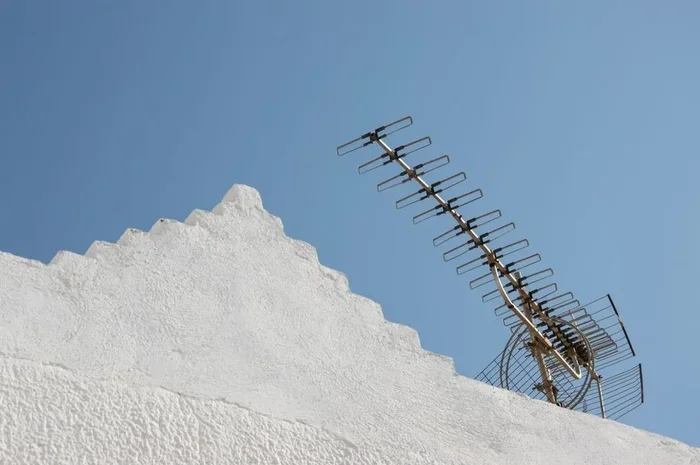
Getting TV reception inside a metal building is tough but not impossible. Metal structures block and reflect TV signals, which causes poor reception and pixelated screens. You can solve this by using the right outdoor antenna, a signal booster, and proper placement. This guide walks you through every step to restore free over-the-air TV in a metal building.
Metal buildings are tough. They are strong, durable, and low maintenance. But when it comes to TV reception inside a metal building, they are a nightmare. The metal walls, roof, and framing act like a giant Faraday cage. They block electromagnetic signals from reaching your TV antenna. If you live or work in a metal structure, you already know the frustration of a blank screen or constant pixelation.
The good news is that you can fix this. With the right approach, you can get clear TV channels even inside a metal building. You do not need expensive equipment or a professional installer. A few smart choices and some basic know-how go a long way. This guide shows you exactly how to get TV reception inside a metal building working reliably again.
Key Takeaways
- Metal blocks signals: Metal buildings reflect and absorb TV signals, making indoor reception very hard.
- Outdoor antennas work best: An antenna mounted outside the metal structure dramatically improves signal strength.
- Signal boosters help a lot: A TV signal amplifier can overcome the loss caused by metal walls and roofing.
- Placement matters: Positioning your antenna near a window or on the roof edge can make a big difference.
- Avoid common mistakes: Using cheap cables or placing the antenna in the wrong spot wastes your effort.
- OTA TV is free: Once set up correctly, you can watch local channels without paying a cable bill.
📑 Table of Contents
Why Metal Buildings Block TV Signals
Understanding the problem helps you solve it. Metal is a natural signal blocker. When TV broadcast waves hit a metal surface, they bounce off or get absorbed. This is called signal interference, and it is the main reason your TV struggles indoors.
Here is what happens inside a metal building:
- Metal roofing reflects over-the-air signals away from your antenna.
- Steel walls absorb TV frequencies before they reach your receiver.
- Metal framing creates dead zones where no signal can penetrate.
- Insulation backed with foil adds another layer of signal blocking.
The result is weak or no signal at all. Even a powerful indoor antenna will struggle in this environment. That is why most experts recommend going outside the metal structure for better results.
How Signal Loss Works
Every material reduces signal strength by a certain amount. This is measured in decibels (dB). Metal causes the highest signal loss of any common building material. A metal roof can reduce your signal by 10 to 20 dB. That is enough to turn a clear picture into a snowy mess. The thicker the metal, the worse the problem gets.
Best Antenna Options for Metal Buildings
Not all antennas are equal. When you are dealing with a metal structure, you need the right type. Choosing the wrong antenna wastes time and money. Here are the best options for TV reception inside a metal building.
Outdoor Antennas
An outdoor antenna is your best friend in a metal building. It sits above the metal structure and catches signals before they are blocked. You can mount it on the roof, a pole, or even the side of the building.
Look for these features:
- Directional antennas focus on one broadcast tower for stronger signal.
- Multi-directional antennas pick up channels from several directions.
- Long-range antennas work well if you are far from broadcast towers.
Indoor Antennas
Indoor antennas can work, but they are not ideal for metal buildings. If you must use one, place it near a window or an opening. Some flat antennas can stick to a window and catch signals that sneak through the glass. But expect weaker performance compared to outdoor options.
| Antenna Type | Best For | Signal Strength | Price Range |
|---|---|---|---|
| Outdoor Directional | Far from towers | Strong | $30-$100 |
| Outdoor Multi-Directional | Multiple tower directions | Strong | $40-$120 |
| Indoor Flat | Near a window | Weak to Moderate | $15-$50 |
| Attic Antenna | Partial metal shielding | Moderate | $20-$60 |
How to Position Your Antenna Correctly
Placement is everything. Even the best antenna will fail if you put it in the wrong spot. For TV reception inside a metal building, position matters even more than usual.
Follow these positioning tips:
- Get the antenna as high as possible. Height reduces the amount of metal between the antenna and the broadcast signal.
- Place it near the edge of the roof. This gets it above the main structure where metal is thickest.
- Point it toward the nearest broadcast tower. Use a website like TVFool or AntennaWeb to find tower locations.
- Avoid placing it near metal pipes or ductwork. These create extra interference and reflection.
- Keep it away from other electronics. Motors and generators can cause electrical noise that disrupts your signal.
A small change in position can make a huge difference. Try moving the antenna a few feet at a time and rescanning for channels each time. Patience pays off here.
Signal Boosters and Amplifiers
A signal booster can be a game changer for metal buildings. It amplifies the weak signal that makes it through the metal walls. This is especially helpful if you live far from broadcast towers or have a long cable run inside the building.
How a Signal Booster Works
A booster sits between your antenna and TV. It takes the weak incoming signal and makes it stronger. Think of it like a megaphone for your TV signal. It does not create signal from nothing, but it can turn a barely watchable channel into a clear one.
Look for a booster with these specs:
- Gain of 30 dB or higher for metal building environments.
- Low noise figure to avoid adding static to the signal.
- Wide frequency range to support all VHF and UHF channels.
Popular brands like Winegard and Channel Master make reliable boosters. They are easy to install and work well with most antenna setups.
Wiring and Setup Tips
Good wiring makes a big difference. Cheap or damaged cables kill signal strength. Here is how to set up your system the right way.
- Use RG6 coaxial cable. It has better shielding than RG59 and reduces signal loss.
- Keep cable runs short. Every extra foot of cable loses a little signal. Keep it under 100 feet if possible.
- Use weatherproof connectors. If your cable runs outside, protect the connections from moisture.
- Avoid sharp bends in the cable. Bends can damage the internal copper and weaken the signal.
- Use a ground block. This protects your equipment from lightning strikes.
Quick Tip: Use a Diplexer
If you want to run your TV antenna and internet cable on the same line, use a diplexer. It splits the signals so they do not interfere with each other. This is a great trick for metal buildings where running multiple cables is inconvenient.
Common Mistakes to Avoid
Many people make avoidable mistakes when setting up TV reception in a metal building. Here are the top ones to watch out for.
- Using an indoor-only antenna. These simply cannot overcome metal signal blocking.
- Placing the antenna in the center of the building. This puts maximum metal between the antenna and the signal source.
- Ignoring channel scan after moving. Always rescan for channels every time you change antenna position.
- Using old or damaged cables. Worn-out cables add unnecessary signal loss on top of the metal interference.
- Skipping the signal booster. In a metal building, a booster is not a luxury. It is a necessity.
Avoiding these mistakes saves you hours of frustration and wasted money.
Final Thoughts on TV Reception in Metal Buildings
Getting TV reception inside a metal building is absolutely possible. You just need the right strategy. Start with an outdoor antenna mounted as high as you can. Add a signal booster if your signal is weak. Use quality coaxial cable and keep your runs short. Position your antenna toward the broadcast towers and scan for channels regularly.
It takes a little effort, but the reward is worth it. Free over-the-air TV with crystal-clear picture quality. No monthly bills, no contracts, no subscriptions. Once you set it up, you will wonder why you did not do it sooner.
Take action today. Pick up an outdoor antenna, grab a signal booster, and get your TV working inside that metal building. You will be glad you did.
Frequently Asked Questions
Can I get TV reception inside a metal building with just an indoor antenna?
It is very difficult. Metal walls and roofing block most TV signals from reaching an indoor antenna. You may pick up a few channels if you place the antenna near a window, but for reliable reception, an outdoor antenna mounted above the metal structure works much better.
Do I need a signal booster for a metal building?
Yes, a signal booster is highly recommended. Metal buildings cause significant signal loss. A booster with at least 30 dB of gain can amplify the weak signal that gets through and give you clear channels.
What is the best antenna for a metal building?
An outdoor directional antenna is the best choice. It can be mounted above the metal structure where it receives a strong, clear signal. Multi-directional antennas work well if broadcast towers are in several directions from your building.
How high should I mount my antenna on a metal building?
The higher the better. Mounting the antenna on the roof or at the highest accessible point reduces the amount of metal between the antenna and the broadcast signal. Aim for at least 10 to 15 feet above the roofline if possible.
Will a metal roof void my antenna warranty?
No. Your antenna warranty is not affected by the type of building you install it on. However, improper installation or damage caused by weather conditions may not be covered. Always follow the manufacturer’s installation guidelines.
Can I watch free OTA channels in a metal building?
Absolutely. With the right outdoor antenna, signal booster, and proper setup, you can watch free over-the-air channels in a metal building. Many people cut the cable cord and enjoy dozens of local channels at no monthly cost.