

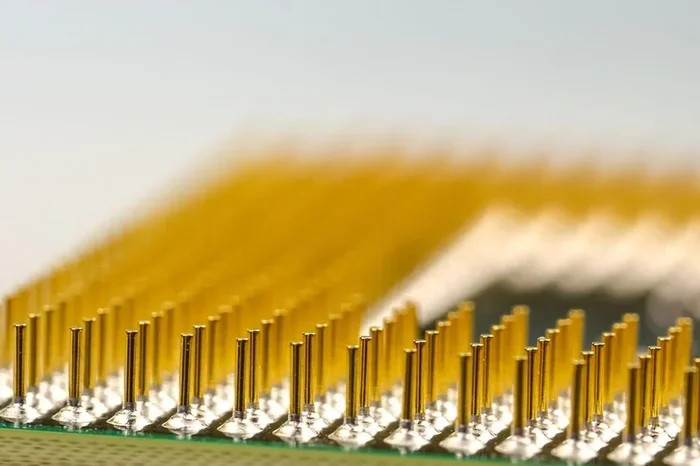
How Do Computer Chips Work is a question many people ask but few truly understand. These tiny microprocessors inside your phone, laptop, and TV use billions of transistors to process binary code and perform calculations at incredible speeds. This guide breaks down the semiconductor technology behind computer chips in simple, easy-to-understand terms so anyone can grasp how their devices actually function.
Have you ever wondered how do computer chips work? These tiny pieces of technology sit inside almost every device you own. From your smartphone to your smart TV, computer chips make modern life possible. Yet most people never stop to think about what is actually happening inside them.
The truth is, computer chips are not magic. They follow very basic principles that anyone can understand. At their core, these chips process information using electricity, tiny switches called transistors, and a language made of just ones and zeros. Once you grasp these simple ideas, the whole world of chip technology starts to make sense.
In this article, we will walk you through how do computer chips work in plain, everyday language. You will learn what chips are made of, how they think, and why they matter so much in your daily life. No engineering degree required!
Key Takeaways
- Computer chips are tiny brains: They use billions of transistors to process information at lightning speed.
- Silicon is the key material: Most chips are made from silicon, a natural semiconductor found in sand.
- Binary code drives everything: Chips understand only ones and zeros, which they translate into actions.
- Manufacturing is incredibly precise: Chip fabrication happens at the nanometer scale, smaller than a human hair.
- Different chips serve different purposes: CPUs, GPUs, and memory chips each have unique roles in your devices.
- Computer chips are everywhere: From smartphones to cars, chips power nearly every modern technology you use daily.
📑 Table of Contents
What Are Computer Chips?
So, what exactly is a computer chip? A computer chip is a small piece of material, usually silicon, that contains tiny electronic circuits. These circuits work together to process, store, and move data. Think of a chip as the brain of your device. Just like your brain receives signals and makes decisions, a chip receives electrical signals and processes them.
The Basic Idea Behind Chips
A computer chip is really just a collection of millions or even billions of tiny switches. Each switch is called a transistor. When a transistor is turned on, it represents a one. When it is turned off, it represents a zero. By combining millions of these ones and zeros, a chip can perform incredibly complex tasks. This is the foundation of digital computing.
What makes computer chips so impressive is their size. A single chip can be smaller than your fingernail, yet it contains more computing power than entire rooms of machines from decades ago. This miniaturization is what has made smartphones, laptops, and tablets possible.
Inside the Chip: Transistors and Silicon
To truly understand how do computer chips work, you need to know about two key ingredients: transistors and silicon.
Why Silicon Matters So Much
Silicon is a natural element found in sand. It has special properties that make it perfect for building chips. Silicon can act as both a conductor and an insulator, depending on how it is treated. This makes it ideal for controlling the flow of electricity. Chip manufacturers take pure silicon and shape it into thin wafers. These wafers become the base for all the circuits and transistors built on top.
The reason semiconductor technology relies on silicon is simple. It is abundant, relatively cheap, and works extremely well at controlling electrical currents. Other materials exist, but silicon remains the gold standard in the chip manufacturing industry.
How Transistors Act as Tiny Switches
Transistors are the building blocks of every computer chip. A transistor is essentially a microscopic switch. It has three parts: a source, a gate, and a drain. Electricity flows from the source to the drain only when the gate is activated. When the gate receives an electrical signal, the transistor turns on. When it does not receive a signal, the transistor turns off.
Modern chips contain billions of these transistors packed incredibly close together. The smaller the transistors, the more can fit on a single chip. This is why processor technology keeps improving. Smaller transistors mean faster speeds and lower power consumption.
How Computer Chips Process Information
Now that you know what chips are made of, let us look at how do computer chips work when they actually process information.
Binary Code: The Language of Chips
Computer chips do not understand letters, numbers, or images the way humans do. They only understand binary code. Binary code is a system made up of just two digits: zero and one. Every piece of data on your device, from a photo to a song, is ultimately converted into long strings of zeros and ones.
When you type a letter on your keyboard, the chip translates it into binary. It then processes that binary data through its circuits. Finally, it sends the result to your screen. All of this happens in fractions of a second. The speed at which computer chips handle this binary data is what makes them so powerful.
Logic Gates: The Decision Makers
Inside every chip, logic gates control the flow of information. A logic gate takes one or more inputs and produces an output based on simple rules. For example, an AND gate only outputs a one when both inputs are one. An OR gate outputs a one when at least one input is one.
By combining millions of these simple logic gates, chips can perform complex calculations. These gates work together to compare numbers, sort data, and make decisions. This is how your phone can run apps, play videos, and connect to the internet all at the same time. The logic gate system is elegant in its simplicity and power.
The Chip Manufacturing Process
Building a computer chip is one of the most precise processes in human history. The chip fabrication process requires extreme care and advanced equipment.
From Sand to Silicon Wafer
The journey of a chip begins with sand. Manufacturers extract silicon from sand and purify it to an extraordinary degree. The pure silicon is melted and formed into a single crystal, called an ingot. This ingot is then sliced into thin discs known as wafers.
Each wafer is polished until it is perfectly smooth. Even a tiny flaw can ruin an entire batch of chips. The quality control in chip manufacturing is incredibly strict. A single dust particle can cause defects in the final product.
Printing Circuits at the Nanometer Scale
Next, manufacturers use a process called photolithography to print circuits onto the silicon wafer. This involves shining light through a mask to create patterns on the chip surface. Chemical treatments then etch those patterns into the silicon. Layers of conductive materials are added on top to create the actual circuits.
Modern chips are built at the nanometer scale. A nanometer is one billionth of a meter. To put that in perspective, a human hair is about 80,000 nanometers wide. The latest chips have features as small as 3 nanometers. This incredible precision is what allows computer chips to pack so much power into such a small space.
Types of Computer Chips
Not all computer chips are the same. Different types of chips serve different roles in your devices.
CPUs: The Main Processors
The Central Processing Unit, or CPU, is the primary chip in any computer. It handles the core tasks, from running your operating system to opening apps. When people ask how do computer chips work, they are usually thinking about the CPU. It acts as the brain, coordinating all the other parts of the system.
GPUs: The Graphics Powerhouses
A Graphics Processing Unit, or GPU, specializes in handling visual tasks. GPUs render images, videos, and animations. They are especially important for gaming and video editing. Unlike CPUs, which handle tasks one at a time very quickly, GPUs can handle thousands of tasks simultaneously. This makes them ideal for parallel processing workloads.
Memory Chips: Storing Data
Memory chips, such as RAM and ROM, store data temporarily or permanently. RAM holds data your device is actively using. ROM stores permanent instructions that your device needs to start up. Without memory chips, your device would have nowhere to keep the information it is working with.
Why Computer Chips Matter in Everyday Life
Computer chips are everywhere, and their importance only grows each year. They power your smartphone, your car, your refrigerator, and even your fitness tracker. Modern cars contain dozens of chips that manage everything from engine performance to safety systems. Medical devices rely on chips for accurate diagnostics and treatment.
The demand for better computer chips continues to rise. As technology advances, chips become faster, smaller, and more efficient. This drives innovation in artificial intelligence, robotics, and smart home devices. Understanding how do computer chips work helps you appreciate the technology that surrounds you every single day.
Final Thoughts
Understanding how do computer chips work is easier than you might think. At their core, these chips use billions of tiny transistors, silicon wafers, and binary code to process information at amazing speeds. From semiconductor technology to logic gates, each component plays a vital role in making your devices function.
The next time you pick up your phone or turn on your laptop, remember the incredible chip technology working inside. These tiny marvels of engineering have transformed the world, and they will continue to shape our future in ways we can only begin to imagine.
Frequently Asked Questions
What is a computer chip made of?
A computer chip is primarily made of silicon, which is extracted from sand. Manufacturers purify the silicon and shape it into thin wafers. They then build tiny circuits and transistors on the surface of these wafers to create a functional chip.
How small are the transistors inside a chip?
The smallest transistors in modern chips measure just a few nanometers across. A nanometer is one billionth of a meter. To give you perspective, a human hair is about 80,000 nanometers wide. This incredible miniaturization is what gives chips their massive computing power.
What is the difference between a CPU and a GPU?
A CPU, or Central Processing Unit, handles general tasks and acts as the brain of the device. A GPU, or Graphics Processing Unit, specializes in visual tasks like rendering images and videos. GPUs can handle many tasks at once, making them ideal for gaming and video editing.
Why are computer chips so important?
Computer chips power nearly every modern device you use. They are inside smartphones, cars, medical equipment, and home appliances. Without chips, the technology we rely on daily would not exist. Their importance continues to grow as our world becomes more connected.
How are chips manufactured?
Chip manufacturing involves extracting silicon from sand, purifying it, and cutting it into wafers. Manufacturers then use a process called photolithography to print incredibly tiny circuits onto the silicon. The process requires extreme precision and cleanroom environments to avoid contamination.
Can I build a computer chip at home?
No, building a computer chip requires specialized equipment and facilities. The manufacturing process happens at the nanometer scale, which is far too small for any home setup. Chip fabrication plants cost billions of dollars to build and operate.