

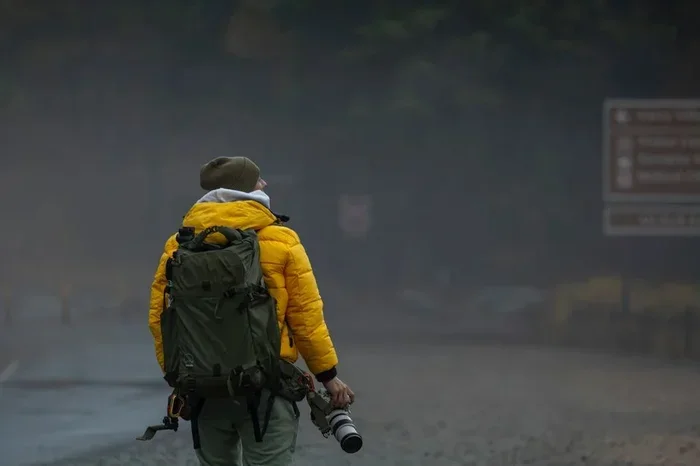
Fogged camera lenses can ruin your shot in seconds. This guide shows you exactly how to fix camera lens fog using simple DIY methods and when to call a pro. You will learn about lens condensation causes, anti-fog solutions, and lens fogging prevention tips. Whether you shoot in humid climates or cold weather, these camera lens repair steps work fast. Keep your gear clear and your photos sharp with these proven techniques.
Dealing with a fogged camera lens is frustrating. You are ready to capture a perfect moment, and suddenly everything looks blurry and misty. Lens fogging happens to everyone, from amateur photographers to seasoned pros. The good news is that fixing a foggy camera lens is often simple. Whether the fog sits on the surface or hides inside the lens, there is a solution. Let us walk through exactly how to repair fogged camera lenses step by step.
Camera lens fog forms when warm moisture meets a cold lens surface. This causes tiny water droplets to cling to the glass. Outdoor shoots in humid or rainy conditions make this worse. Cold weather brings the same problem when you bring warm gear into freezing air. Understanding fogging causes helps you pick the right fix every time.
Key Takeaways
- DIY Fixes Work Fast: Simple methods like air drying, silica gel, and gentle wiping can clear minor fog quickly.
- Internal Fog Needs a Pro: If moisture is trapped inside the lens barrel, professional lens seal repair is essential.
- Prevention Beats Repair: Proper camera equipment care and O-ring replacement stop fog from coming back.
- Temperature Swings Cause Fog: Moving gear between hot and cold environments triggers lens condensation easily.
- Anti-Fog Products Help: Sprays and wipes designed for optics add a protective layer against moisture.
- Clean Storage Matters: Storing lenses in dry, sealed cases with desiccants keeps them fog-free.
📑 Table of Contents
Why Do Camera Lenses Fog Up?
Before you jump into repairs, it helps to know what causes the fog. Moisture in camera equipment is the root of nearly every fog problem. Here are the main reasons your lens fogs up:
- Temperature changes: Moving from a warm room to cold outdoors triggers condensation fast.
- High humidity: Shooting in damp or rainy weather exposes lenses to excess moisture.
- Broken seals: Worn O-rings or damaged lens barrel seals let water vapor inside.
- Body heat: Holding a camera close to your warm skin can warm the lens unevenly.
- Storage issues: Storing lenses in damp closets or basements invites moisture buildup.
Surface Fog vs Internal Fog
Surface fog sits on the outer glass and is easy to fix. Internal fog hides between lens elements and needs deeper attention. A foggy camera lens with internal moisture often means the seals have failed. This requires professional lens seal repair or even lens element replacement. Knowing the difference saves you time and money.
How Are Fogged Camera Lenses Repaired: DIY Methods
Most surface fog clears with simple home methods. These camera lens repair steps cost almost nothing and take just minutes. Try these fixes the next time your lens fogs up.
Method 1: Let Air Do the Work
The simplest fog removal trick is patience. Set the camera down and let it sit in a stable temperature. Air flow slowly evaporates the moisture on the glass. Do not wipe it yet. Wait five to ten minutes and watch the fog lift. This works best when you move the camera to a room-temperature area.
Method 2: Use Silica Gel Packets
Silica gel pulls moisture from the air and from your gear. Place your fogged lens in a sealed bag with a few silica packets. Leave it for a few hours or overnight. The desiccant draws out hidden moisture gently. This is one of the best lens fogging prevention habits for storage.
Method 3: Apply an Anti-Fog Solution
Optical anti-fog sprays and wipes create a thin film that stops water droplets from clinging. Apply a small amount to a clean microfiber cloth and gently wipe the lens. Avoid household glass cleaners, as they can damage lens coatings. Look for products made specifically for camera lens cleaning. A quality anti-fog solution becomes part of any camera lens maintenance routine.
Method 4: Warm the Lens Gradually
When cold causes the fog, warm the lens slowly. Place the camera in a sealed plastic bag before moving it from cold to warm areas. This lets the temperature adjust without sudden condensation. The bag traps moisture and keeps it from settling on the glass. This trick is a lifesaver for winter photography.
When to Seek Professional Camera Lens Repair
Some fog problems need expert hands. If DIY methods do not clear the fog, the moisture may be trapped inside the lens barrel. Here are signs that you need professional camera lens repair:
- Fog returns quickly after you clear it.
- You see droplets or haze between lens elements.
- The lens makes clicking or grinding sounds.
- Focus rings feel loose or sticky.
- Water damage is visible inside the barrel.
Lens Seal Repair and O-Ring Replacement
A broken lens diaphragm seal is a common reason for internal fog. Seals wear out over time, especially with regular outdoor use. A technician can replace the O-ring replacement parts and reseal the barrel. This restores the waterproof and dustproof protection your lens originally had. Waterproof lens repair services often include full seal inspections and re-greasing of moving parts.
Lens Element Replacement
In severe cases, internal moisture damages lens coatings or glass elements. A professional can replace individual elements without buying a whole new lens. This saves money and keeps your favorite optics in service. Always ask for a cost estimate before approving any lens element replacement work.
Preventing Future Lens Fogging
Prevention is the best fog fix of all. A few simple habits keep your lenses clear in any condition:
- Store lenses in dry cases: Use hard cases with built-in desiccant packs.
- Acclimate gear slowly: Let cameras adjust to temperature changes in sealed bags.
- Check seals regularly: Inspect O-rings and diaphragms every few months.
- Use lens caps: Keep caps on when not shooting to block moisture and dust.
- Carry silica packets: Toss a few into your camera bag for extra dryness.
- Avoid breathing on the lens: Use a blower brush instead to clear dust safely.
Regular camera lens maintenance extends the life of your gear significantly. A few minutes of care before and after each shoot makes a huge difference. Camera equipment care also protects your investment and keeps resale value high.
Quick Tips for Clear Shots Every Time
- Keep a microfiber cloth in your pocket for quick surface wipe-downs.
- Carry a small anti-fog pen in your camera bag during humid shoots.
- Never store lenses near heaters, radiators, or direct sunlight.
- Label your gear with the date of the last seal inspection.
- Use a lens warmer strap in cold weather to maintain steady temperature.
Conclusion
Knowing how fogged camera lenses are repaired puts you back in control of your photography. Simple surface fog clears fast with air drying, silica gel, or anti-fog solutions. Internal moisture demands professional camera lens repair services, especially seal and O-ring work. Prevention through proper storage and regular maintenance stops fog before it starts. Treat your lenses with care, and they will reward you with years of crystal-clear shots. Take action today and keep every lens in your kit ready for the perfect photo.
Frequently Asked Questions
Can I use a hair dryer to fix a fogged camera lens?
Avoid using a hair dryer directly on your lens. The hot air can be too intense and may damage lens coatings or warp plastic parts. Instead, let the lens air dry naturally or place it in a sealed bag with silica gel packets. Gentle, indirect warmth is always safer for your gear.
How long does it take for a fogged lens to clear?
Surface fog usually clears within five to fifteen minutes in a stable room-temperature environment. Internal fog takes longer and often requires professional treatment. If the fog does not lift after an hour, the moisture is likely trapped inside the barrel and needs expert attention.
Is internal lens fog covered by camera warranty?
Some manufacturers cover internal fog if it results from a manufacturing defect. Damage from water exposure or broken seals is usually not covered. Check your warranty terms carefully and contact the manufacturer before seeking repairs.
Can I prevent lens fog while shooting in the rain?
Yes, you can. Use a rain cover or camera housing to shield your lens from direct moisture. Apply an anti-fog solution before heading out and carry silica packets in your bag. Acclimating your gear slowly when moving between environments also helps greatly.
What is the best anti-fog product for camera lenses?
Look for anti-fog sprays and wipes made specifically for optical equipment. Brands like Zeiss, LensPen, and RainX offer products designed for camera lenses. Always test a small area first and avoid anything that contains alcohol or ammonia.
How often should I check my lens seals?
Inspect your lens seals every three to six months if you shoot outdoors regularly. Seals wear down with age, temperature changes, and dust exposure. Replacing a worn O-ring is far cheaper than repairing water-damaged internal elements. Regular checks keep your lens airtight and fog-free.