

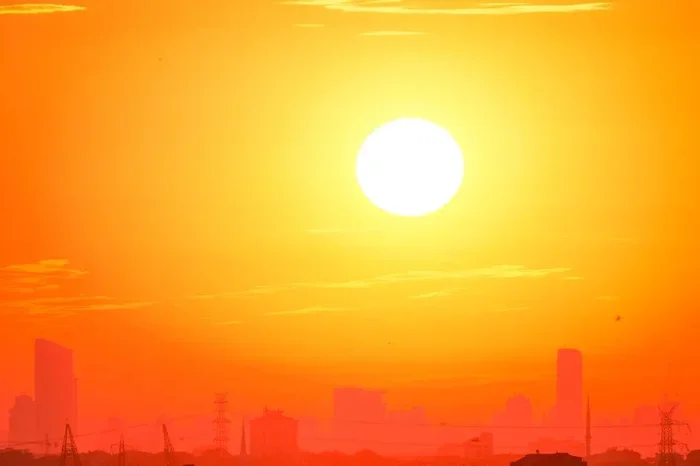
A heat dome is a dangerous weather event that traps extreme heat over a region for days or weeks. Preparing before the heat arrives can protect your health, your home, and your family. This guide walks you through every step of heat dome preparedness, from emergency plans to smart home tech and cooling strategies.
A heat dome is one of the most dangerous weather events you can face. It forms when a high-pressure system acts like a lid, trapping hot air near the ground for days or even weeks. The result? Extreme heat that pushes temperatures to life-threatening levels.
More people are asking how to prepare for a heat dome before extreme heat arrives. And that question matters more than ever. Climate patterns are shifting, and heat waves are becoming longer and more intense. Being ready is not optional anymore. It is essential.
This guide gives you everything you need. You will learn how to build an emergency plan, use helpful technology, protect your home, and keep your family safe. Let us get started.
Key Takeaways
- Understand the threat: A heat dome forms when high pressure traps hot air near the ground, creating dangerously high temperatures.
- Make a plan early: Having a family emergency plan and a stocked emergency kit saves lives when extreme heat strikes.
- Use smart tech: Smart thermostats, weather apps, and portable coolers help you stay ahead of rising temperatures.
- Cool your home: Simple upgrades like reflective window film and sealing gaps can keep indoor temperatures lower.
- Protect vulnerable people: Elderly family members, children, and pets need extra care during a heat wave.
- Know the warning signs: Recognizing heat exhaustion and heat stroke symptoms helps you act fast.
📑 Table of Contents
What Is a Heat Dome and Why Does It Matter?
Understanding How a Heat Dome Works
A heat dome happens when strong high-pressure systems settle over a region. They act like a dome or a lid. Hot air gets trapped underneath and sinks back down, heating up even more. This cycle repeats over and over.
The heat index can climb far beyond the actual temperature. That means it feels even hotter outside than the thermometer shows. High humidity makes it worse. Your body struggles to cool itself through sweat. That is when heat-related illness starts to become a real risk.
During a heat advisory, local authorities warn people about dangerous conditions. But a heat dome is often worse than a typical heat wave. It can last for weeks. And it can knock out power grids, strain water supplies, and cause grid failure in some areas.
Who Is Most at Risk?
Not everyone faces the same level of danger. Vulnerable populations include older adults, young children, pregnant women, and people with chronic health conditions. Outdoor workers and athletes also face higher risks.
If you have family members in these groups, your preparation needs to be stronger. Knowing who is at risk helps you plan better.
Build a Heat Dome Emergency Plan
Create a Family Communication Plan
Start by sitting down with your family. Talk about what you will do when a heat wave hits. Decide on a meeting place. Choose an emergency contact outside your area. Make sure everyone knows the plan.
Write it down. Post it on the fridge. Share it with neighbors. Simple steps like these make a big difference when emergency preparedness matters most.
Stock Your Emergency Kit
Every household needs a heat dome emergency kit. Here is what to include:
- Water (one gallon per person per day, for at least three days)
- Electrolyte drinks or powder packets
- First aid supplies
- Battery-powered or hand-crank radio
- Flashlights and extra batteries
- Portable fan or misting device
- Sunscreen and hats
- Important documents in a waterproof bag
- Non-perishable food items
Keep this kit somewhere easy to grab. Check it every few months and replace expired items.
Use Tech Tools to Stay Ahead of the Heat
Smart Home Devices That Help You Cool Down
Technology can be your best friend during a heat dome. A smart thermostat lets you control your home temperature from your phone. You can set schedules and adjust cooling even when you are not home.
Some smart thermostats learn your habits over time. They adjust automatically to save energy while keeping you cool. This is a smart way to manage air conditioning costs and comfort at the same time.
Weather Apps and Alerts
Download a reliable weather app that sends heat advisory alerts. Many apps now offer real-time heat index readings. They tell you when conditions are dangerous, not just hot.
Set up notifications for your area. This way, you will know about incoming extreme heat before it arrives. That extra warning time can be the difference between being prepared and being caught off guard.
Portable Cooling Tech
Consider investing in portable cooling devices. Portable air conditioners, personal misting fans, and cooling towels can help a lot. They are especially useful if you lose power during a heat dome event.
Some people also use USB-powered fans that plug into power banks. These small devices can make a big difference during a power outage.
Protect Your Home From Extreme Heat
Seal Gaps and Insulate
Hot air sneaks into your home through cracks and gaps. Check windows, doors, and attic openings. Use weather stripping and caulk to seal them up.
Good insulation keeps cool air inside and hot air outside. This simple step reduces your reliance on air conditioning and lowers your energy bills.
Block the Sun
Sunlight heats up your home fast. Use reflective window film or thermal curtains to block the sun’s rays. Close blinds and curtains during the hottest part of the day.
You can also plant shade trees or install awnings on the sunniest side of your home. Over time, these natural solutions reduce the thermal mass your home absorbs.
Know Your Cooling Centers
Many cities open cooling centers during extreme heat events. These are public spaces with air conditioning where people can go to stay safe. Find out where the nearest cooling center is before a heat dome hits.
Save the address in your phone. Share it with family members who may not have reliable cooling at home.
Keep Your Family Safe During a Heat Dome
Stay Hydrated
Drink water before you feel thirsty. By the time you are thirsty, you may already be dehydrated. Aim for at least eight glasses a day, and more if you are active outdoors.
Avoid sugary drinks and alcohol. They can actually make dehydration worse. Water and hydration drinks with electrolytes are your best choices.
Adjust Outdoor Activities
Limit outdoor activities during peak heat hours, usually between 10 a.m. and 4 p.m. If you must go outside, take frequent breaks in the shade.
Never leave children or pets in a parked car. Temperatures inside a car can reach deadly levels within minutes. This is one of the most important heat dome safety rules to remember.
Watch for Warning Signs
Learn the signs of heat exhaustion and heat stroke. Heat exhaustion symptoms include heavy sweating, weakness, nausea, and dizziness. Heat stroke is more severe. It includes a high body temperature, confusion, and loss of consciousness.
If someone shows signs of heat stroke, call emergency services immediately. This is a life-threatening heat-related illness that needs urgent medical attention.
What To Do When a Heat Dome Hits
When a heat dome arrives, stay indoors as much as possible. Use your air conditioning or portable fans. Check on neighbors, especially elderly ones and those living alone.
Follow local guidance and heat advisory updates. If power goes out, move to a cooling center or a neighbor’s home with air conditioning. Stay calm and stick to your emergency plan.
Remember, a heat dome is temporary. But the damage it can cause is real. Proper preparation helps you ride it out safely.
Final Thoughts
Learning how to prepare for a heat dome before extreme heat arrives is one of the smartest things you can do. It protects your health, your home, and the people you love. Start with a plan, stock your kit, use helpful technology, and stay informed.
You do not need to do everything at once. Start small. Pick one section from this guide and take action today. Every step you take makes you more heat dome ready.
Frequently Asked Questions
How long does a heat dome typically last?
A heat dome can last anywhere from a few days to several weeks. Some have persisted for over a month in severe cases. The duration depends on weather patterns and how long the high-pressure system stays in place.
Can a heat dome cause power outages?
Yes, absolutely. When everyone turns on their air conditioning at once, the electrical grid can become overwhelmed. This can lead to grid failure or rolling blackouts during a heat wave.
What is the difference between a heat dome and a regular heat wave?
A regular heat wave is a period of unusually hot weather. A heat dome is a specific weather pattern where high pressure traps hot air like a lid. Heat domes tend to be more intense and longer-lasting than typical heat waves.
How do I find cooling centers near me?
Check your local government website or call your city’s emergency management office. Many cities also list cooling centers on their official social media pages during heat advisory events.
What should I do if I feel symptoms of heat stroke?
Call emergency services immediately. Move to a cool place, remove excess clothing, and try to cool down with cold water or ice packs. Heat stroke is a medical emergency and should never be treated at home alone.
Are pets at risk during a heat dome?
Yes, pets are very vulnerable during extreme heat. Never leave them in parked cars, provide plenty of fresh water, and keep them indoors during the hottest hours. Some pets, like brachycephalic breeds, are at even higher risk of heat-related illness.