

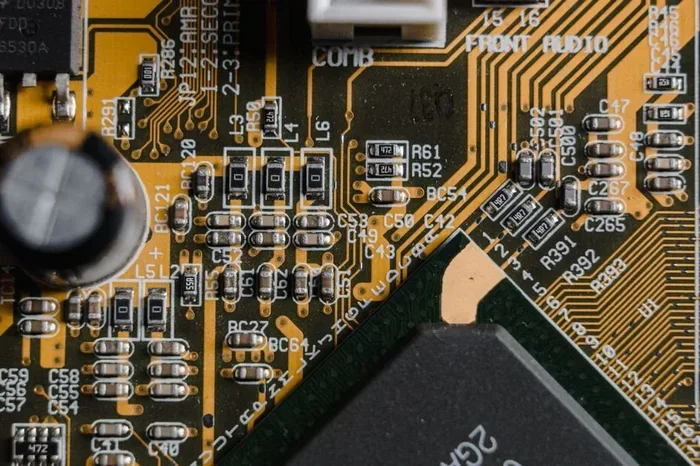
How are resistors made is a fascinating journey from raw materials to precision electronic components. Resistor manufacturing involves selecting conductive and insulating materials, shaping them to exact specifications, and testing each unit for accuracy. Whether it is a simple carbon film resistor or a precision wirewound type, every resistor goes through a detailed production process to ensure reliable performance in circuits.
Have you ever wondered what happens inside a factory before a tiny resistor ends up on your circuit board? How are resistors made is a question that opens the door to a world of precision engineering and materials science. These small components might look simple, but their creation involves careful selection of raw materials, exact manufacturing steps, and rigorous quality checks.
Resistors are everywhere in modern electronics. They limit current, divide voltage, and pull-down signals in everything from smartphones to industrial machines. Understanding how they are made gives you a deeper appreciation for the technology you use every day. In this article, we will walk through the entire production process in plain language.
Key Takeaways
- Resistors start as raw materials: carbon, metal films, and ceramic substrates form the foundation of every resistor.
- Multiple manufacturing methods exist: carbon composition, film deposition, and wire winding are the main techniques.
- Precision matters: tolerance ratings and resistance values are carefully controlled during production.
- Quality testing is essential: every resistor undergoes electrical testing before reaching consumers.
- Surface mount and through-hole types differ in production: each has its own assembly approach.
- Innovation is driving the future: automated systems and smart materials are reshaping resistor production.
📑 Table of Contents
What Exactly Is a Resistor?
Before diving into production, let us quickly cover the basics. A resistor is an electronic component that resists the flow of electrical current. Every resistor has a specific resistance value measured in ohms. This value determines how much current can pass through a circuit at a given voltage.
Resistors come in many shapes and sizes. Some look like small cylinders with color bands. Others are tiny surface mount chips no bigger than a grain of rice. Despite their differences, all resistors share the same core purpose: controlling electrical current in a predictable way.
Raw Materials Used in Resistor Production
The manufacturing process begins with selecting the right materials. The choice of raw materials directly affects a resistor’s performance, durability, and precision. Here are the key materials used:
- Carbon: Used in carbon composition and carbon film resistors. It provides consistent electrical resistance.
- Metal films: Thin layers of nickel-chromium or tin-oxide create precise resistance values.
- Ceramic substrates: These act as insulating bases that hold the conductive material in place.
- Metal wire: Nichrome and other alloys are wound into wirewound resistors for high-power applications.
- Glass and epoxy: Used for coating and protecting the finished resistor from moisture and heat.
Each material serves a specific purpose. Manufacturers choose them based on the type of resistor being produced and its intended application. For example, a precision resistor needs a very stable metal film, while a high-power resistor benefits from a wirewound construction.
How Resistors Are Made: Step-by-Step
The production of resistors follows a structured process. While details vary by resistor type, the general steps remain consistent across most manufacturing facilities.
Step 1: Preparing the Core Material
First, manufacturers prepare the base material. For film resistors, this means depositing a thin layer of conductive material onto a ceramic rod or substrate. This deposition happens in a vacuum chamber to ensure even coverage. The thickness of the film directly controls the final resistance value.
Step 2: Trimming to the Correct Value
Once the film is applied, the resistor is trimmed to achieve the exact resistance needed. Laser trimming is the most common method today. A computer-controlled laser carefully removes a tiny portion of the conductive layer. This adjusts the resistance to the desired tolerance rating, which might be 1%, 5%, or 10%.
Step 3: Applying the Coating
After trimming, the resistor gets a protective coating. This layer shields the component from humidity, dust, and mechanical damage. Epoxy or lacquer coatings are standard. The coating also provides a surface for printing the resistor’s value and tolerance markings.
Step 4: Printing and Labeling
Manufacturers print identification marks onto the resistor body. These include the resistance value, tolerance, and sometimes the manufacturer’s logo. Color bands are printed on through-hole resistors, while surface mount resistors use numeric codes.
Step 5: Testing and Sorting
Every batch of resistors goes through electrical testing. Machines measure the actual resistance of each unit and compare it to the target value. Resistors that fall outside the tolerance range are sorted out. Only the ones that pass testing move on to packaging and shipment.
Types of Resistors and Their Manufacturing
Different resistor types use different production methods. Here is a quick look at the most common ones:
- Carbon Composition Resistors: Made by mixing carbon particles with a binding resin. The mixture is molded into a solid body. These are among the oldest types but are less common today due to tolerance limitations.
- Carbon Film Resistors: A thin carbon film is deposited on a ceramic core. They offer better precision than carbon composition types and are cost-effective.
- Metal Film Resistors: Similar to carbon film but use a metal alloy layer. They provide excellent precision and stability, making them ideal for audio equipment and measurement devices.
- Wirewound Resistors: A resistance wire is wound around an insulating core. They handle high power and are used in power supplies and heating elements.
- Surface Mount Resistors (SMD): These are manufactured using thin-film technology on small ceramic substrates. They are designed for automated assembly on printed circuit boards.
Quality Control in Resistor Manufacturing
Quality control is not an afterthought in resistor production. It is built into every stage. Manufacturers test raw materials before production begins. In-process checks monitor film thickness and trimming accuracy. Final testing ensures each resistor meets its rated specifications.
Key parameters checked during quality control include:
- Resistance accuracy: Does the resistor match its stated value?
- Temperature coefficient: How much does resistance change with temperature?
- Power rating: Can the resistor handle its rated wattage without damage?
- Noise levels: Does the resistor introduce unwanted electrical noise?
- Durability: Can it withstand vibration, humidity, and thermal cycling?
These tests ensure that every resistor sold performs reliably in real-world conditions. A resistor that fails quality checks never reaches the customer.
The Future of Resistor Manufacturing
The resistor industry is evolving fast. Automation and smart manufacturing are reducing costs and improving consistency. Robots now handle delicate trimming and inspection tasks with incredible speed and accuracy. Advanced materials like thick-film pastes and nano-scale coatings are pushing the boundaries of what resistors can do.
Miniaturization remains a major trend. As electronic devices get smaller, resistors must shrink too. Surface mount resistors are now available in sizes as small as 01005, which is barely visible to the naked eye. Meeting this demand requires extremely precise manufacturing equipment and tighter quality controls.
How are resistors made will continue to evolve as new materials and technologies emerge. But the core principles of precision, quality, and reliability will always remain the same.
Conclusion
The journey of how resistors are made is a blend of materials science, precision engineering, and strict quality control. From selecting the right raw materials to laser trimming and final testing, every step matters. Whether you are a hobbyist building your first circuit or an engineer designing complex electronics, understanding resistor manufacturing helps you choose the right components with confidence. The next time you see a resistor on a circuit board, you will know the careful process behind that tiny but mighty component.
Frequently Asked Questions
What are the main materials used to make resistors?
Resistors are made from carbon, metal films like nickel-chromium, ceramic substrates, and metal wire such as nichrome. The choice of material depends on the resistor type and its intended use in a circuit.
How is the resistance value of a resistor determined during manufacturing?
The resistance value is controlled by the thickness and length of the conductive film or wire. Manufacturers use laser trimming to fine-tune the resistance to the exact target value with a specific tolerance rating.
What is the difference between a carbon film and a metal film resistor?
A carbon film resistor uses a thin layer of carbon on a ceramic core, while a metal film resistor uses a metal alloy layer. Metal film resistors offer better precision and stability, making them more suitable for sensitive applications.
Why is quality control important in resistor production?
Quality control ensures that every resistor meets its rated resistance, power handling, and durability specifications. Without proper testing, unreliable components could cause circuit failures in consumer electronics or industrial equipment.
Can resistors be made at home or are they only factory-produced?
Basic resistors can be handmade for educational purposes using wire and ceramic cores. However, commercial resistor manufacturing requires specialized equipment like vacuum deposition chambers and laser trimmers for consistent quality.
What is the smallest resistor size used in modern electronics?
Modern surface mount resistors come in sizes as small as 01005, measuring just 0.4 mm by 0.2 mm. These tiny components are essential for compact devices like smartphones and wearable technology.