

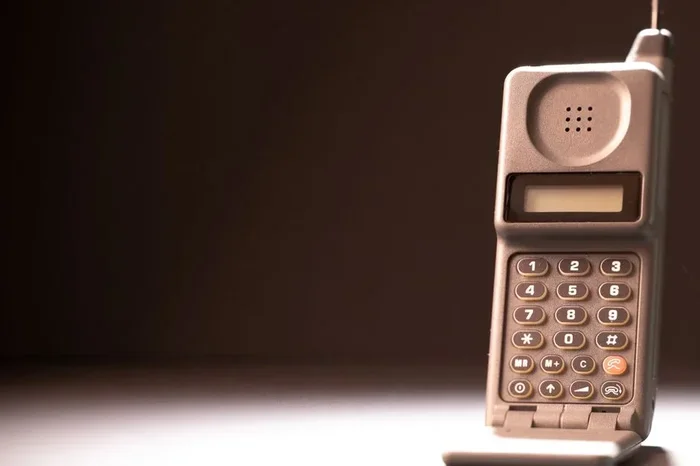
The first cell phone was invented by Martin Cooper at Motorola in 1973, marking a massive wireless communication breakthrough. Cooper made the historic first mobile call using the Motorola DynaTAC, a bulky handheld portable device that weighed two pounds. This mobile phone history moment launched the wireless revolution that transformed how the world connects.
The story of how the first cell phone was invented is one of the most exciting chapters in mobile phone history. It all started with one man who believed people should be able to talk from anywhere. Before the handheld phone existed, you had to stay near a landline to make a call. The idea of a wireless communication device that fit in your hand seemed impossible. Yet, a team of engineers proved the world wrong.
The invention of the first cell phone was not a single moment. It was the result of years of hard work, experimentation, and bold thinking. Martin Cooper led the charge at Motorola. His dream of a portable device that could make calls without wires became a reality. This communication breakthrough changed human life in ways no one could have predicted.
Key Takeaways
- Martin Cooper invented the first cell phone: He was an engineer at Motorola who made the first handheld call in 1973.
- The Motorola DynaTAC was the first phone: It weighed about two pounds and had only 20 minutes of talk time.
- Cellular technology changed everything: The concept of cells and towers made mobile wireless communication possible.
- The first call was made to a rival: Cooper called Joel Engel at Bell Labs to announce the achievement.
- The first phone cost nearly $4,000: The Motorola DynaTAC launched in 1984 at a price most people could not afford.
- It sparked the smartphone origins we know today: The invention opened the door for decades of mobile innovation.
📑 Table of Contents
The Man Behind the First Cell Phone
Martin Cooper and Motorola
Martin Cooper is the name most people associate with the invention of the first cell phone. He was a senior engineer at Motorola in the early 1970s. Cooper had a clear vision. He wanted to create a handheld phone that freed people from cords and walls. At the time, mobile phones were huge car-mounted units. Cooper dreamed of something personal and portable.
Cooper and his team at Motorola worked tirelessly on the project. They faced many technical hurdles along the way. Other companies like AT and Bell Labs were also exploring wireless communication. But Cooper’s team was the first to build a true handheld cellular technology device. His patent for a radio telephone system changed the course of telecommunications forever.
A Career Built on Wireless Innovation
Before the cell phone, Martin Cooper had years of experience in wireless communication. He worked on radar systems and military communication projects. This background gave him the skills needed for such a bold invention. He understood radio frequencies and signal transmission deeply. Cooper believed that personal communication should be a right, not a luxury.
His persistence paid off in April 1973. That is when the first mobile call was made. It was a moment that marked the beginning of a new era. The mobile innovation that Cooper sparked continues to shape our world every single day.
How the First Cell Phone Actually Worked
The Technology Behind Cellular Communication
The first cell phone used cellular technology to send and receive voice calls. The concept was simple but brilliant. The area around a user was divided into cells. Each cell had a cell tower that handled calls within its range. As a person moved, the call would switch from one tower to the next. This is how the word cellular came to describe mobile phones.
The phone used an analog signal to carry voice data. Sound waves were converted into radio waves. These waves traveled through the air to the nearest tower. The tower then connected the call to the public phone network. It was a groundbreaking system for its time.
Analog Signals and Radio Frequencies
The first handheld phone operated on specific radio frequency bands. It used a system called AMPS, or the Advanced Mobile Phone System. This allowed users to make voice calls over a wireless network. The sound quality was not perfect, and the range was limited. But it proved that wireless communication was possible on a personal device.
The analog signal technology had its limits. It was prone to static and interference. Battery life was short. Yet, these early challenges did not stop progress. Engineers used what they learned to build better systems. Each new mobile innovation brought us closer to the smartphones we use today.
The Historic First Call
On April 3, 1973, Martin Cooper made the first mobile call in public. He stood on a busy street in New York City. He dialed Joel Engel, a rival engineer working at Bell Labs. Cooper told him he was speaking from a real handheld mobile phone. The 1973 phone call was a defining moment in mobile phone history.
The phone used was the Motorola DynaTAC. It was a large, bulky brick phone by today’s standards. It weighed about two pounds. The battery offered only around 20 minutes of talk time. Charging the device took over ten hours. Despite all of this, the call went through. It was a communication breakthrough that stunned the world.
From DynaTAC to Modern Smartphones
The Evolution of Mobile Phones
After the first cell phone was invented, mobile phone history moved fast. The Motorola DynaTAC hit the consumer market in 1984. It cost about $3,995, which is over $11,000 today. Very few people could afford it. But it was a start. The wireless revolution had begun.
The 1990s brought digital networks and better cellular technology. Phones got smaller and more affordable. Text messaging became a new way to communicate. Cameras were added to handsets. The smartphone origins started to take shape. By the 2000s, mobile devices combined calling with computing power. The first cell phone had truly sparked a wireless revolution.
What the First Phone Looked Like
The Motorola DynaTAC looked nothing like a modern phone. It was long and rectangular with a thick antenna on top. The handset was separate from the base unit. Users pressed physical buttons to dial numbers. There was no touchscreen or display screen like we have today.
People often called it a brick phone because of its size and weight. Yet, it was a marvel of mobile innovation for the 1970s. It showed the world that wireless communication on a personal device was real. The design was clunky, but the idea was revolutionary.
Why the First Cell Phone Changed Everything
The invention of the first cell phone changed how humans interact. Before mobile devices, communication was tied to fixed locations. You had to be at home or in an office to make a call. The portable device broke those chains. People could now talk from anywhere with signal coverage.
The wireless revolution also transformed entire industries. Telecommunications companies grew rapidly. New jobs were created around network building and maintenance. Businesses found new ways to reach customers. The first cell phone was more than a gadget. It was the foundation of a connected world.
Today, we use our phones for far more than calls. We browse the web, take photos, and stay in touch with loved ones. The smartphone origins trace back to that one handheld device Cooper carried in 1973. The communication breakthrough he helped create continues to evolve every year.
The Legacy of the First Mobile Phone
The legacy of the first cell phone is everywhere we look. The cellular technology principles Cooper’s team established are still at the core of modern networks. Today’s phones use the same basic idea of cells and towers. But they are infinitely more powerful and capable.
The first mobile call proved that wireless communication was not science fiction. It was a real communication breakthrough that opened the door for decades of progress. Engineers and inventors around the world were inspired by what Cooper achieved. They continue to push the boundaries of mobile innovation every day.
The story of the first cell phone reminds us that big ideas can come from determined individuals. Martin Cooper and his Motorola team changed the world with one handheld portable device. The wireless revolution they started is far from over. It is still growing, evolving, and shaping our future.
Frequently Asked Questions
Who invented the first cell phone?
Martin Cooper, an engineer at Motorola, is credited with inventing the first cell phone. He led the team that built the Motorola DynaTAC and made the first mobile call in 1973. His work in wireless communication launched the mobile phone history we know today.
What was the first cell phone called?
The first cell phone was called the Motorola DynaTAC. It stood for Dynamic Adaptive Total Area Coverage. This brick phone weighed about two pounds and was the first true handheld portable device for making calls on the go.
When was the first cell phone call made?
The first mobile call was made on April 3, 1973. Martin Cooper called Joel Engel at Bell Labs from a street in New York City. This 1973 phone call was a landmark moment in mobile phone history and telecommunications.
How much did the first cell phone cost?
The Motorola DynaTAC cost about $3,995 when it launched in 1984. Adjusted for inflation, that is over $11,000 today. The high price limited early adoption, but the wireless revolution it started was priceless.
How did the first cell phone work?
The first cell phone used cellular technology and analog signals to transmit voice calls. It connected to cell towers through radio frequency bands. The signal would hop from tower to tower as the user moved, enabling wireless communication on the go.
What is the connection between the first cell phone and modern smartphones?
The smartphone origins trace directly back to the first cell phone. The cellular technology and wireless communication principles invented by Cooper are still used today. Modern smartphones are the result of decades of mobile innovation that started with that one handheld device in 1973.
=== CONCLUSION ===
The facts about how the first cell phone was invented tell a story of vision, persistence, and groundbreaking achievement. Martin Cooper and his Motorola team proved that wireless communication on a personal device was possible. The first mobile call in 1973 launched a wireless revolution that transformed the entire world. From the bulky Motorola DynaTAC to the sleek smartphones we carry today, the journey has been remarkable. The communication breakthrough that started with one handheld phone continues to shape our daily lives. Understanding this mobile phone history helps us appreciate the incredible mobile innovation we take for granted every day.