

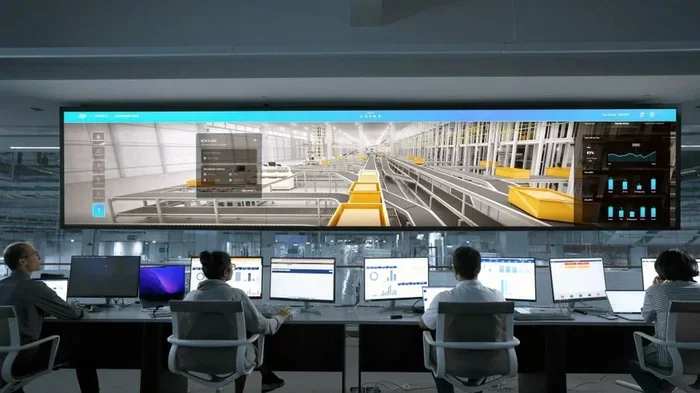
Computers play a vital role in modern industry, from automating factory floors to analyzing supply chain data. They power robotics, computer-aided design, predictive maintenance, and business intelligence that drive efficiency and growth. Understanding these applications helps businesses stay competitive in a rapidly evolving digital landscape.
Key Takeaways
- Automation Drives Efficiency: Computers control machines and robots that boost production speed and reduce human error on the factory floor.
- Smart Factories Are the Future: Industry 4.0 connects physical production with digital systems for real-time monitoring and optimization.
- Design Gets Faster with CAD: Computer-aided design lets engineers test products digitally before building anything physical.
- Supply Chains Run on Data: Computers track inventory, manage orders, and keep logistics networks running smoothly across the globe.
- Predictive Maintenance Saves Money: Computer systems detect machine problems early, preventing costly breakdowns and downtime.
- AI and Cloud Computing Expand Possibilities: Small businesses now access powerful tools that were once only available to large corporations.
📑 Table of Contents
The Role of Computers in Modern Manufacturing
Computers have completely changed the way factories and plants operate today. When you think about how are computers used in industry, manufacturing sits right at the top of the list. From assembly lines to packaging, industrial automation powered by computers keeps things moving fast and smooth.
Manufacturing technology has evolved dramatically over the past few decades. Today, production efficiency depends heavily on computer systems that monitor every step of the process. Machines talk to each other, share data, and make adjustments in real time. This kind of process optimization would have been impossible just a generation ago.
From Assembly Lines to Smart Factories
The shift from traditional factories to smart factories is one of the biggest stories in modern business. Computers now control machines, track output, and even predict when equipment might break down. This is all part of Industry 4.0, the fourth industrial revolution that blends physical production with digital technology.
In a smart factory, sensors collect data constantly. Computers analyze that data and send commands to machines automatically. Workers can monitor everything from a central dashboard. The result is less waste, fewer errors, and faster delivery times.
Robotics and Automation on the Factory Floor
Robotics plays a huge role in how computers are used in industry today. Computer numerical control machines follow precise instructions to cut, shape, and assemble products with amazing accuracy. These machines don’t get tired, don’t make careless mistakes, and can work around the clock.
Automated systems also handle dangerous tasks that humans should avoid. Chemical plants use robots to manage hazardous materials. Heavy machinery operations rely on computer-guided systems for safety. This protects workers and improves overall operational technology standards across the board.
Design and Engineering with Computer Tools
Before a single product hits the factory floor, computers help design it. Computer-aided design, or CAD, lets engineers create detailed 3D models on screen. They can test how a product will perform under stress, heat, or pressure without building a single physical prototype.
Computer simulation saves companies enormous amounts of time and money. Instead of building five different versions of a part, engineers can test them all digitally. They pick the best design and send it straight to production. This digital transformation approach speeds up innovation and reduces costs significantly.
Supply Chain and Inventory Management
Supply chain management relies on computers more than ever before. Companies use software to track products from raw materials to final delivery. Every step of the journey gets recorded and analyzed. This visibility helps businesses respond quickly to changes in demand or disruptions.
Tracking Goods in Real Time
Inventory management systems powered by computers give companies a clear picture of what they have, where it is, and when they need more. Enterprise software connects warehouses, shipping teams, and retail locations into one seamless network.
Barcode scanners and RFID tags feed data directly into computer systems. Managers can see stock levels instantly and place orders automatically when supplies run low. This kind of data analytics keeps supply chains lean and efficient.
Data Analytics and Business Intelligence
Computers don’t just run machines — they also process massive amounts of information. Business intelligence tools help industry leaders make sense of their data. They can spot trends, identify problems, and find opportunities that would otherwise go unnoticed.
Making Smarter Decisions with Data
When companies use data analytics effectively, they make better decisions faster. A manager can see which products sell best, which machines use the most energy, and which processes need improvement. All of this comes from computer systems that never stop collecting and organizing information.
Artificial intelligence takes this a step further. AI algorithms learn from past data and suggest improvements. Some companies use AI to forecast demand, plan production schedules, and even set prices. The possibilities keep growing as cloud computing makes powerful tools more accessible to businesses of all sizes.
Quality Control and Predictive Maintenance
Keeping products consistent and machines running smoothly is essential in any industry. Computers make both tasks easier and more reliable.
Catching Problems Before They Start
Predictive maintenance is one of the most valuable uses of computers in industry today. Sensors on machines send data to computer systems that look for patterns. If something looks off, the system alerts maintenance teams before a breakdown happens. This saves companies thousands of dollars in downtime and repairs.
Quality control systems use cameras and sensors to inspect products on the line. Computers compare each item against strict standards and flag anything that doesn’t meet the mark. This level of precision is something humans alone simply can’t match at scale.
The Future of Computers in Industry
What does the future hold for computers in industry? The trend is clear — more automation, more data, and more intelligence. As cloud computing and artificial intelligence continue to advance, factories will become even smarter and more efficient.
Small and medium businesses are also getting access to these tools now. Cloud-based solutions lower the barrier to entry. Companies no longer need massive IT departments to benefit from digital process optimization. The playing field is leveling, and that’s great news for competition and innovation.
The way computers are used in industry will only expand from here. Businesses that embrace these tools today will be better positioned for tomorrow. The key is to start small, learn as you go, and keep an eye on new developments.
Frequently Asked Questions
What is the most common way computers are used in industry?
The most common use is industrial automation, where computers control machines and robots on the factory floor. These systems handle repetitive tasks with speed and precision, freeing up human workers for more complex roles. This single application has transformed manufacturing efficiency worldwide.
How do computers improve supply chain management?
Computers power inventory management systems that track goods in real time from warehouse to delivery. Enterprise software connects every part of the supply chain so managers can see stock levels, reorder automatically, and respond fast to disruptions. This keeps operations lean and reduces waste.
What is Industry 4.0 and how does it relate to computers?
Industry 4.0 refers to the fusion of digital technology with physical manufacturing. Computers, sensors, and cloud computing enable smart factories where machines communicate and make decisions automatically. It represents the latest major leap in how industry uses computing power.
Can small businesses benefit from computers in industry?
Absolutely. Cloud computing and affordable software have made powerful tools accessible to businesses of all sizes. Small companies can use data analytics, computer-aided design, and inventory systems without large IT teams. The digital landscape has leveled the playing field significantly.
How does predictive maintenance work with computers?
Sensors on machines collect data continuously and send it to computer systems. These systems use algorithms to detect patterns that signal a potential breakdown. Maintenance teams receive alerts early, allowing them to fix issues before they cause costly downtime or equipment failure.
What role does artificial intelligence play in industrial computers?
Artificial intelligence helps computers learn from historical data and make smarter recommendations. AI powers demand forecasting, quality inspections, and production scheduling in modern factories. It is rapidly becoming one of the most impactful tools in industrial computing.
=== CONCLUSION ===
The way computers are used in industry continues to grow and evolve every year. From the factory floor to the boardroom, computers drive efficiency, quality, and innovation. Whether it’s robotics, predictive maintenance, or business intelligence, the impact is real and measurable. Companies that invest in these technologies now will build a stronger foundation for the future. The digital revolution in industry is not coming — it is already here, and it is changing everything.