

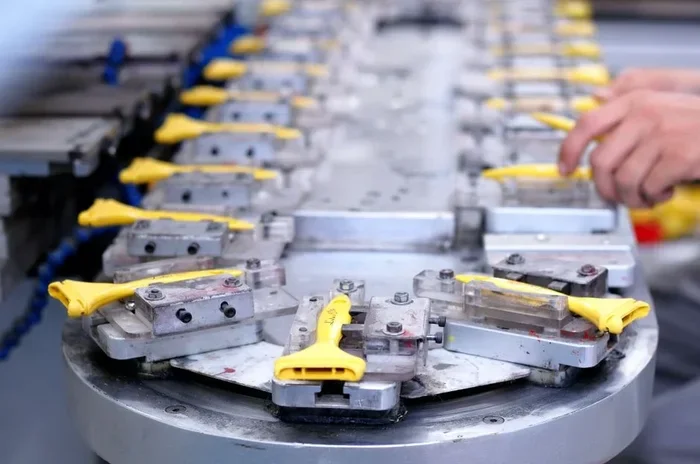
How Are Earphones Made is a fascinating process that transforms raw materials into the sleek audio devices you use every day. The journey involves crafting speaker drivers, assembling wired and wireless components, and rigorous sound quality testing. This guide walks you through each step of the earphone manufacturing process with clear, practical details.
Have you ever wondered what goes into making the earphones you use every day? How Are Earphones Made is a fascinating journey that starts with raw materials and ends with a sleek, functional device you can slip into your ears. The process combines precision engineering, quality materials, and careful testing to deliver the sound you love.
From wired earbuds to wireless Bluetooth earphones, every pair goes through a detailed manufacturing process. Factories around the world produce millions of earphones daily, and each one follows a carefully designed assembly line. In this article, we will walk you through every major step of the earphone manufacturing process. You will learn about the materials, the assembly, and the testing that makes your music sound great.
Key Takeaways
- Earphones start with raw materials: Plastic, metal, copper wire, magnets, and polymer films form the foundation of every pair.
- The speaker driver is the heart: The diaphragm, voice coil, and magnet work together to convert electrical signals into sound.
- Wireless earbuds require extra precision: Bluetooth chips, tiny batteries, and charging circuits must fit inside a space smaller than your thumb.
- Quality control is non-negotiable: Every unit undergoes sound testing, durability checks, and fit testing before shipping.
- Packaging completes the journey: Cleaned, inspected earphones are boxed with accessories and sent to warehouses worldwide.
- Sustainable materials are the future: Manufacturers are adopting eco-friendly practices to reduce environmental impact.
📑 Table of Contents
The Raw Materials Behind Earphones
Plastic and Metal Housing
The outer shell of most earphones starts with plastic and metal. Manufacturers use injection molding to shape the plastic housings. This process heats plastic pellets until they melt, then injects the liquid into a mold. Once it cools, the shell takes its final shape. Metal parts like brackets and connectors are usually made from aluminum or steel. These materials ensure the earphone components stay durable and lightweight.
Acoustic Components
The heart of any earphone is the speaker driver. This tiny part converts electrical signals into sound waves. The main parts include a magnet, a voice coil, and a diaphragm. The diaphragm is usually made from thin plastic or metal mesh. When electrical current flows through the coil, it moves back and forth near the magnet. This movement pushes air and creates the sound you hear. Sound quality depends heavily on how well these parts are designed and assembled.
Making the Speaker Driver
Crafting the Diaphragm
The diaphragm is one of the most important parts of the earphone assembly. It must be thin enough to vibrate freely but strong enough to last. Manufacturers often use polymer films or metal-coated polyester. The exact material affects the audio equipment production quality. Thinner diaphragms tend to produce clearer high notes, while thicker ones handle bass better. This is why the earphone design process spends so much time perfecting the diaphragm thickness.
Winding the Voice Coil
Next comes the voice coil. Workers or machines wrap thin copper wire around a former. This coil needs to be precise. Even a small mistake can affect sound performance. After winding, the coil is attached to the diaphragm. Together, they form the moving part of the speaker driver. This entire process happens in clean rooms to prevent dust from ruining the sound. The earphone factory environment is carefully controlled to maintain high standards.
Assembling the Earphone
Wired Earphone Assembly
For wired earphones, assembly begins with soldering. Workers connect the speaker driver to the cable using solder. The cable usually contains copper wires wrapped in insulation. Each wire carries a specific signal. After soldering, the connection is tested for continuity. Then the driver is placed into the housing and secured with glue or clips. The cable is routed through the body and attached at the plug end. This step-by-step approach ensures every wired earphone delivers reliable performance.
Wireless Earbud Assembly
Wireless earbuds add more complexity. They need a battery, a Bluetooth chip, and a charging circuit. The battery is usually a small lithium-ion cell. Workers place it carefully inside the tiny housing. The Bluetooth chip connects the earbud to your phone or music player. All these parts must fit inside a space smaller than your thumb. Earbud manufacturing requires robotic precision because the parts are so small. Each Bluetooth earphone is assembled with extreme care to avoid defects.
Wireless Technology and Bluetooth Integration
Bluetooth technology changed the earphone industry completely. When you ask how are earphones made today, you must include the wireless components. The Bluetooth chip is programmed before assembly. It handles audio encoding, battery management, and connection pairing. Most modern earphones use Bluetooth 5.0 or later for stable connections. The chip is soldered onto a small circuit board called a PCB. This board connects to the speaker driver and the battery. Engineers test the wireless signal range and audio latency before moving forward. The earphone manufacturing process for wireless models takes longer than for wired ones because of the added technology.
Quality Control and Testing
Sound Testing
Every earphone goes through sound quality testing. Factory workers place each unit in a soundproof booth. They play test tones at different frequencies. Machines measure the output to ensure it matches the design specs. If the earphone quality control fails, the unit is removed. This step is critical because no one wants earphones that sound bad or distorted. The sound quality testing process can catch issues that are invisible to the naked eye.
Durability and Fit Testing
Earphones also undergo durability tests. They are dropped, bent, and exposed to sweat and moisture. Fit testing ensures the ear tips sit comfortably in the ear canal. Some factories use 3D scans of real ears to design better-fitting ear tips. These tests help brands deliver a product that feels good and lasts long. The earphone quality control team checks every unit before it is approved for packaging.
Packaging and Shipping
Once the earphones pass all tests, they move to packaging. Each pair is cleaned and inspected one last time. Workers place them in branded boxes with accessories like extra ear tips and charging cables. The boxes are sealed, labeled, and sorted for shipment. From there, they travel to warehouses and then to stores or your doorstep. The entire earphone production line is designed for speed and accuracy. A single factory can produce thousands of pairs per day.
Common Mistakes in Earphone Manufacturing
Even with careful processes, mistakes happen. Here are some common issues factories face:
- Poor soldering can cause intermittent sound or no sound at all.
- Low-quality diaphragms lead to distorted audio and a short product life.
- Weak Bluetooth chips result in frequent disconnections and poor wireless range.
- Inadequate quality control lets defective units reach customers.
Manufacturers who skip testing or use cheap materials often face returns and bad reviews. This is why how are earphones made matters more than most people realize. Cutting corners in the earphone assembly process always leads to problems down the line.
Expert Insights on Earphone Production
Industry experts say the future of earphone production lies in personalization. Some factories now use AI to adjust sound profiles based on individual ear shapes. Others focus on sustainable earphone materials to reduce environmental impact. According to a report on audio equipment production, the global earphone market is expected to grow significantly in the coming years. This growth means factories will need to scale up while maintaining quality.
One expert shared, “The magic of a great earphone is in the tiny details. A fraction of a millimeter in diaphragm thickness can change everything.” This insight shows why precision matters so much in the earphone manufacturing process. As technology evolves, the earphone design process will continue to push boundaries and deliver better listening experiences.
Understanding how are earphones made gives you a new appreciation for the devices you use daily. Whether you prefer wired or wireless, every pair represents hours of design, testing, and care. Next time you put in your earphones, remember the journey they took to reach your ears.
Frequently Asked Questions
What materials are used to make earphones?
Earphones are made from plastic, metal, copper wire, magnets, and polymer films. The housing is typically injection-molded plastic, while the speaker driver uses a magnet, voice coil, and diaphragm. Wireless models also include lithium-ion batteries and Bluetooth chips.
How long does it take to manufacture a pair of earphones?
The assembly process can take anywhere from a few minutes to several hours depending on the complexity. Simple wired earphones are faster to produce, while wireless earbuds with Bluetooth and charging features require more time and precision.
Are earphones tested before shipping?
Yes, every pair goes through sound quality testing, durability checks, and fit testing. Factories use soundproof booths and automated machines to measure performance. Units that fail any test are removed from the production line.
What is the role of Bluetooth in earphone manufacturing?
The Bluetooth chip is programmed and soldered onto a circuit board during assembly. It handles audio encoding, battery management, and wireless connectivity. Engineers test signal range and latency to ensure a stable connection.
Can anyone visit an earphone factory?
Most earphone factories have restricted access due to the sensitive nature of production. Clean rooms and assembly areas are closely monitored. However, some manufacturers offer factory tours or virtual visits for educational purposes.
What does the future hold for earphone production?
The future includes AI-driven personalization, sustainable materials, and smarter manufacturing. Factories are exploring 3D ear scans for custom-fit ear tips and using recycled materials to reduce waste. The earphone manufacturing process will continue to evolve with new technology.