

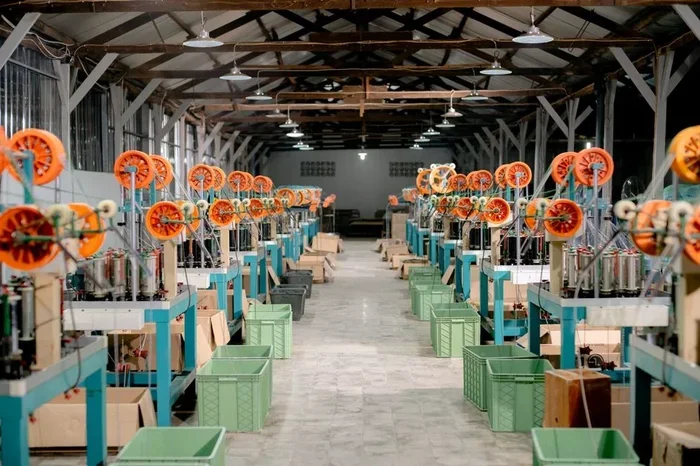
Learning how headphones are made reveals a fascinating blend of acoustic engineering, precision manufacturing, and quality testing. From tiny speaker drivers to comfortable ear pads, every component plays a role in delivering the sound you love. This guide walks you through each stage of the headphone manufacturing process in simple, easy-to-understand terms.
Have you ever wondered how headphones are made? It is a journey that starts with raw materials and ends with a device you strap on every day. The headphone manufacturing process involves many steps, skilled workers, and precise tools. Every pair goes through careful acoustic engineering to make sure you get great sound quality. Let us walk through the process together.
The world of headphone design is more complex than it looks. From the tiny driver units inside each ear cup to the soft cushions that rest on your ears, many parts work in harmony. Whether you wear wired headphones or Bluetooth headphones, the core build process shares a lot in common. Let us break it down step by step.
Key Takeaways
- Driver units are the heart: These small speakers convert electrical signals into the sound you hear.
- Multiple materials come together: Plastic, metal, foam, and fabric all play a role in headphone construction.
- Assembly is a detailed process: Each headphone goes through several stages before it reaches your ears.
- Quality control is strict: Every pair is tested for sound quality, durability, and comfort.
- Wireless and wired headphones follow different paths: Bluetooth adds extra steps like chip programming and battery installation.
- Acoustic engineering matters: Designers fine-tune frequency response and sound isolation for the best experience.
- Future innovations are exciting: New materials and smart features are reshaping how headphones are made every year.
📑 Table of Contents
The Basic Structure of a Headphone
Before diving into the factory floor, it helps to understand the main parts. A headphone has several key pieces that work together to deliver audio.
Driver Units
The driver unit is the small speaker inside each ear cup. It turns electrical signals into sound waves. Most headphones use one driver per ear cup. Some high-end models use multiple drivers for richer frequency response and deeper bass.
Headband and Ear Cups
The headband holds the headphones on your head. It is usually made of metal or strong plastic. The ear cups house the drivers and sit over or around your ears. They are lined with soft materials for comfort.
Ear Pads and Cushions
Most headphones use memory foam cushions wrapped in fabric or leather. These pads provide comfort and help with sound isolation. They also reduce outside noise so you can focus on your music.
The Manufacturing Process Step by Step
Now let us look at how headphones are actually built. The headphone assembly process follows a clear sequence.
Step 1: Making the Driver Units
The first step in headphone manufacturing is creating the driver units. Workers assemble tiny magnets, copper wire coils, and diaphragms. These parts are incredibly small. Any mistake here affects the sound quality of the final product.
Step 2: Building the Ear Cups
Plastic or metal shells are molded into shape. These shells become the outer ear cups. The driver units are then mounted inside. Wires are connected carefully to carry audio signals from the cable or Bluetooth chip to the drivers.
Step 3: Adding the Headband
The headband is attached to both ear cups. It needs to be flexible yet sturdy. Workers adjust the tension so the headphones fit snugly without being too tight.
Step 4: Installing Cushions and Padding
Soft ear pads are pressed onto each ear cup. The padding needs to feel comfortable and create a good seal around the ear. This seal improves sound isolation and bass response.
Step 5: Wiring and Connectivity
For wired models, an audio cable is attached. For wireless models, a Bluetooth chip, battery, and charging port are added. This step requires careful soldering and testing.
Wired vs Wireless: How They Differ
The basic build process is similar for both types. But wireless headphones have extra components that add complexity.
Wired headphones are simpler to assemble. They need a cable, a 3.5mm jack or USB connector, and the driver units. The focus is mainly on audio components and wire quality.
Wireless headphones require a Bluetooth module, a rechargeable battery, and a charging circuit. Engineers must balance battery life with weight and size. They also need to make sure the wireless transducer technology delivers clean audio without delay.
Both types go through the same testing phase, which we will cover next.
Quality Control and Testing
No pair of headphones leaves the factory without thorough testing. Quality control is a major part of the process.
Each pair is tested for several things:
- Sound accuracy: Workers check if the drivers produce the right frequencies.
- Durability: Headphones are flexed, pulled, and worn to test longevity.
- Comfort: Fit and padding are evaluated on different head sizes.
- Noise cancellation: Active noise cancellation features are tested in quiet and noisy environments.
- Battery life: Wireless models are charged and discharged to verify claims.
Only headphones that pass all tests move to packaging. Any unit that fails is sent back for repair or recycled.
The Future of Headphone Manufacturing
The headphone design world is always changing. New materials and smart features are making headphones better every year.
Companies are experimenting with recycled plastics and sustainable fabrics. Some brands are exploring 3D-printed ear cups for a custom fit. Artificial intelligence is being used to tune frequency response automatically based on your hearing profile.
As demand grows, factories are becoming more automated. Robots now handle some assembly steps. But skilled workers still play a key role. The human touch ensures every pair meets high standards.
The headphone manufacturing process is a blend of art and science. From the first driver unit to the final sound test, every step matters. Next time you put on your favorite pair, you will know the care and craft that went into making them.
Frequently Asked Questions
What materials are used to make headphones?
Headphones use a mix of plastic, metal, copper wire, magnets, foam, and fabric. The driver units rely on magnets and coils, while the ear pads use soft memory foam and synthetic leather. Each material serves a specific purpose in comfort and sound delivery.
How long does it take to manufacture a pair of headphones?
The headphone assembly process can take anywhere from a few minutes to several hours per pair. Simple wired models are faster to produce. Wireless models with noise cancellation take longer due to extra components and testing steps.
Do all headphones go through the same manufacturing process?
Most headphones share a similar build process, but wireless headphones have additional steps like battery installation and Bluetooth chip programming. High-end models also go through more detailed acoustic engineering and testing than budget options.
What is the role of acoustic engineering in headphone making?
Acoustic engineering shapes how headphones sound. Engineers design the driver units and tuning chambers to achieve the right frequency response. They also work on sound isolation and bass accuracy to give listeners the best experience.
Are headphones tested before they are sold?
Yes, every pair goes through quality control testing. Workers check sound accuracy, comfort, durability, and battery life. Only headphones that pass all tests are packaged and shipped to stores or customers.
Can anyone learn how headphones are made?
While the basics are easy to understand, building quality headphones requires training and precision. Many manufacturers offer factory tours or videos that show the process. It is a fascinating look at how everyday tech products come to life.
=== CONCLUSION ===
The headphone manufacturing process is a detailed and rewarding journey. From tiny driver units to comfortable ear pads, every part is chosen with care. Quality control and acoustic engineering make sure each pair delivers great sound quality. Whether you prefer wired headphones or Bluetooth headphones, understanding how they are made gives you a new appreciation for the technology you use every day.