

How Are Tvs Made is a fascinating journey that starts with raw materials and ends with a finished screen in your home. The TV manufacturing process involves creating display panels, assembling components, and running strict quality tests. Each step ensures your television production delivers sharp pictures and reliable performance.
Have you ever wondered what happens before a TV lands on your wall? The answer to how are TVs made is more complex and interesting than most people think. From tiny microchips to massive display panels, every television goes through a detailed journey before it reaches your living room.
The television manufacturing process has evolved dramatically over the past few decades. Older CRT TVs required heavy glass and vacuum tubes. Today’s flat-screen displays use advanced display technology that fits slim panels into lightweight frames. Understanding this process helps you appreciate the technology sitting in your home.
Key Takeaways
- Display panels are the heart of every TV: Whether LCD, LED, or OLED, each panel type follows a unique fabrication process.
- Smart TV manufacturing adds extra complexity: Integrating software, processors, and connectivity modules requires precision.
- Quality testing is rigorous: Every TV undergoes color accuracy, brightness, and durability checks before shipping.
- Raw materials matter: High-grade glass, metals, and plastics determine the final product’s quality and lifespan.
- Assembly lines have evolved significantly: Automation and robotics now handle most of the television assembly line work.
- Packaging protects during transport: Proper TV packaging prevents damage and ensures TVs arrive in perfect condition.
📑 Table of Contents
The Raw Materials Behind TV Production
Every TV production line begins with raw materials. Manufacturers source high-purity glass, metals, plastics, and rare earth elements. These materials form the foundation of every screen and circuit board.
Glass and Display Substrates
The display substrate is the base layer of every screen. For LCD TVs, manufacturers use specially treated glass. For OLED TVs, they use thin plastic or glass substrates. These materials must be ultra-clean. Even a tiny speck of dust can ruin an entire panel during fabrication.
Metals and Circuit Boards
Copper, aluminum, and tin go into the circuit board assembly process. These metals carry electrical signals across the TV’s motherboard. The bezel design also uses molded plastics and metal frames to hold everything together securely.
Building the Display Panel
The display panel creation stage is where the magic happens. This is the most technical part of television assembly. Different TV types use different methods, but the goal is the same: create a screen that produces vivid, accurate images.
LCD and LED Panel Fabrication
LCD panels start with two glass plates. Manufacturers apply a thin layer of liquid crystal material between them. Then they add polarizing filters and color filters. The LED backlight technology sits behind the panel to illuminate the screen. These layers are aligned with extreme precision.
OLED Screen Making
OLED screens work differently. They use organic compounds that emit light when electricity passes through them. This eliminates the need for a separate backlight. Each pixel produces its own light, which allows for deeper blacks and better contrast. OLED screen making requires controlled environments because the organic materials are sensitive to moisture and oxygen.
Assembling the TV Components
Once the panel is ready, workers move to the assembly phase. This is where all the pieces come together to form a working television.
Mounting the Panel
The display panel gets mounted into the TV frame. Workers carefully connect ribbon cables that link the panel to the main board. Any mistake at this stage can cause dead pixels or display issues.
Adding the Smart TV Platform
Modern smart TV manufacturing involves installing processors, memory chips, and Wi-Fi modules. These components let your TV connect to the internet and run apps. The software gets pre-loaded during this stage. Quality engineers test the interface to make sure everything responds smoothly.
Speaker and Housing Installation
Speakers get attached to the back of the frame. Then the outer housing goes on. This shell protects all the internal components. Manufacturers pay close attention to bezel design because it affects the TV’s look and viewing experience.
Quality Testing and Calibration
No TV leaves the factory without thorough testing. TV quality testing is a critical step in the manufacturing process. Each unit goes through multiple checks.
First, machines test every pixel for dead or stuck pixels. Then color calibration tools measure accuracy against industry standards. Brightness levels get verified at different settings. Engineers also run durability tests that simulate years of normal use. Only TVs that pass every test move forward to packaging.
The Final Packaging and Shipping
Proper TV packaging protects the delicate screen during transport. Manufacturers use foam inserts, cardboard boxes, and plastic wraps. Each package is designed to absorb shocks and prevent screen damage. The finished TVs then ship to warehouses and retail stores around the world.
The TV factory process is a marvel of modern engineering. It combines precision robotics with skilled human oversight. Every step matters, from the first raw material to the final box on a loading dock.
Conclusion
Learning how TVs are made gives you a new appreciation for the devices we use every day. The television production process blends raw materials, advanced display technology, and meticulous quality control. From panel fabrication to final packaging, each stage plays a vital role. Next time you turn on your screen, you will know exactly how much work went into creating it.
Frequently Asked Questions
What materials are used to make a TV screen?
TV screens use glass substrates, liquid crystals, organic compounds, polarizing filters, and color filters. LCD and LED TVs rely on glass and backlighting, while OLED TVs use thin organic layers that emit their own light. Each material is chosen for its ability to produce clear, vibrant images.
How long does it take to manufacture a TV?
A typical TV takes several hours to complete on the assembly line. The display panel fabrication happens separately and can take days. Once the panel arrives at the assembly station, workers and robots put the TV together in a few hours. Quality testing adds additional time before the unit is approved for shipping.
Are OLED TVs harder to manufacture than LCD TVs?
Yes, OLED manufacturing is more complex. The organic materials used in OLED panels are sensitive to moisture and oxygen. Production must happen in ultra-clean environments. This complexity makes OLED TV production more expensive than standard LCD manufacturing.
What does a smart TV factory look like?
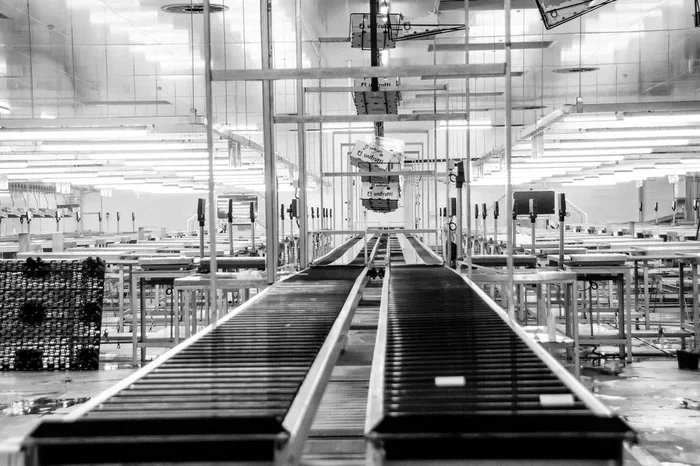
A smart TV factory combines robotic assembly lines with human quality inspectors. Robots handle delicate panel mounting and circuit board soldering. Workers oversee the process and run final tests. The facility includes clean rooms for panel fabrication and testing labs for color and brightness calibration.
How do manufacturers ensure TV quality?
Manufacturers test every TV for dead pixels, color accuracy, brightness levels, and audio performance. They also run durability tests that simulate real-world use. Only units that pass all checks are approved for packaging and shipment.
Where are most TVs manufactured today?
Most TVs are made in China, South Korea, and Vietnam. Major brands like Samsung, LG, and TCL operate large factories in these regions. Some assembly also happens in Mexico and Eastern Europe to serve local markets more efficiently.