

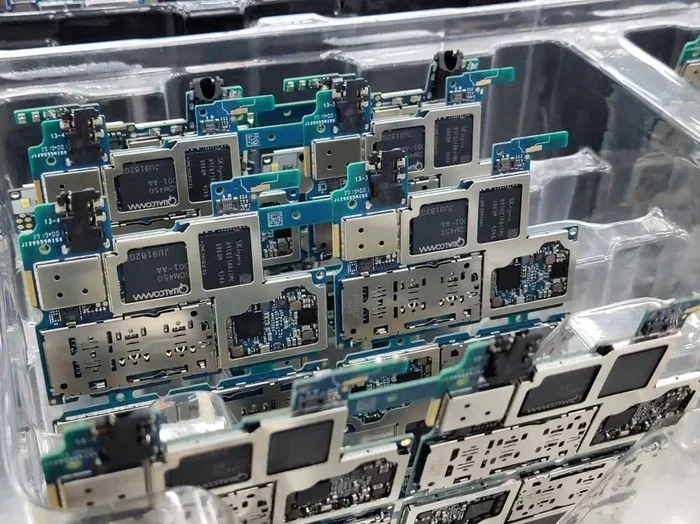
Cell phone circuit boards are the brains behind every smartphone. They connect tiny electronic parts that process calls, apps, and data. Understanding how they work helps you appreciate the technology in your pocket. This guide breaks down each component in simple, easy-to-follow language.
A cell phone circuit board is the foundation of every smartphone you own. It holds all the tiny parts that make your device work. Without it, your phone would just be a empty shell of glass and metal. Have you ever wondered what happens inside that thin green board when you tap a screen or make a call? Let us break it down in a way that makes total sense.
The smartphone motherboard is more than just a flat piece of material. It is a complex network of electronic pathways, chips, and connectors. Each part has a specific job. Together, they turn electrical signals into the features you use every day. In this article, we will walk you through how these boards actually function. You will learn about the key components, how signals move, and what keeps everything powered up.
Key Takeaways
- A cell phone circuit board is the central hub that connects all phone components together.
- Printed circuit boards use layered traces to route electrical signals across the device.
- The microprocessor acts as the brain, executing billions of calculations per second.
- Power management chips control battery usage and keep your phone running efficiently.
- Common circuit board problems include solder joint cracks, water damage, and overheating.
- Knowing how your phone board works helps you troubleshoot issues and avoid costly repairs.
📑 Table of Contents
What Is a Cell Phone Circuit Board?
A printed circuit board, or PCB, is the backbone of your phone’s hardware. It is a flat, rigid board made of layers of fiberglass and copper. These copper layers form paths called traces. Traces carry electrical signals from one component to another. Think of them as tiny roads that connect different parts of a city.
The phone motherboard also holds all the chips and parts in place. It uses small metal pins and solder joints to attach each piece securely. A single smartphone board can have dozens of components packed into a space smaller than your fingernail. That is what makes modern phones so powerful yet so compact.
How Are Circuit Board Layers Built?
Most smartphone boards use multiple layers. A typical board has between four and twelve layers. Each layer has copper traces that run in different directions. The layers are stacked and pressed together with heat and resin. This creates a strong, thin structure that can handle complex electrical jobs.
The top and bottom layers often hold the visible components. Inner layers handle signal routing and power distribution. Circuit board layers work together to keep signals clean and interference low. More layers mean more room for connections, which is why high-end phones have thicker but more capable boards.
The Main Components of a Phone Circuit Board
Every cell phone circuit board contains several essential parts. Each part plays a role in making your phone function. Here are the key components you will find on almost any smartphone board.
- Microprocessor (CPU): This is the brain of your phone. It runs the operating system and apps.
- Memory Chips (RAM and Storage): These hold data temporarily and permanently.
- Baseband Processor: This chip handles cellular connections and signal processing.
- Power Management IC: It controls how power flows from the battery to other parts.
- Capacitors and Resistors: These small parts regulate electrical current and voltage.
- RF Modules: These handle radio frequency signals for Wi-Fi, Bluetooth, and cellular calls.
- Display Controller: It sends image data to your screen.
All of these phone components sit on the board and connect through traces and vias. Vias are tiny holes that let signals jump between board layers. Without them, multi-layer boards would not work at all.
How Signals Travel Through a Circuit Board
Electrical signals are the language of a circuit board. Every time you tap your screen, a signal travels from the touch sensor to the processor. The processor then decides what to do and sends a response signal back.
These signals move through copper traces on the board. The traces are carefully designed to be the right length and width. This ensures signals arrive on time and without distortion. Signal processing happens when chips receive, interpret, and act on these signals.
What Are Solder Joints and Why Do They Matter?
A solder joint is the melted metal that connects a component to the board. It creates a permanent electrical connection. Good solder joints are smooth, shiny, and fully surround the component pin.
Weak solder joints can cause phone problems. They may lead to intermittent signals or complete component failure. This is why quality assembly matters so much during phone manufacturing. Even tiny defects in a circuit trace or solder point can disrupt the entire board.
The Role of the Microprocessor
The microprocessor is the most important chip on your phone motherboard. It executes instructions from software at incredible speed. Modern phone processors can handle billions of operations every second. They manage everything from opening an app to playing a video.
Processors work closely with memory chips. When you open a game, the processor loads data from storage into RAM. RAM gives the processor fast, temporary access to that data. Once you close the app, the processor clears that data from memory. This constant back-and-forth is what makes your phone feel fast and responsive.
How Does Chip Fabrication Affect Phone Performance?
Chip fabrication refers to how processors and other chips are manufactured. Smaller chip sizes mean more transistors fit on a single die. More transistors lead to better performance and lower power use. This is why newer phones often run faster and last longer on a single charge.
Companies like Qualcomm, Apple, and Samsung design their own processors. Each chip is built at a microscopic scale using advanced fabrication plants. The result is a tiny piece of silicon that powers all the features you rely on daily.
Power Management on Your Phone Board
Your phone battery would be useless without proper power management. The power management IC (PMIC) controls how energy flows through the board. It makes sure each component gets the right amount of voltage. Too much power can damage parts. Too little power can cause crashes and slowdowns.
The PMIC also manages charging. When you plug in your phone, the PMIC regulates the current flowing into the battery. It prevents overcharging and overheating. This is one of the most important jobs of any smartphone hardware system.
Modern phones also use adaptive power scaling. This means the processor slows down when you are doing light tasks. It speeds up when you need more power. This smart approach helps extend battery life throughout the day.
Common Problems and How to Spot Them
Even the best circuit boards can develop problems over time. Understanding common issues helps you take better care of your phone.
- Solder Joint Cracks: Dropping your phone can crack tiny solder connections. This may cause random reboots or loss of function.
- Water Damage: Moisture causes short circuits on the board. Corrosion can eat through copper traces over time.
- Overheating: Too much heat weakens components and degrades solder joints. This is often caused by heavy use or poor ventilation.
- Component Failure: Individual chips can burn out due to power surges or age.
If your phone shows strange behavior, a board issue could be the cause. Signs include unexpected shutdowns, flickering screens, or loss of cellular signal. A professional technician can inspect the board and identify the problem.
Quick Tips to Protect Your Phone Board
- Use a sturdy case to absorb impact from drops.
- Avoid exposing your phone to extreme heat or moisture.
- Use only certified chargers to prevent power surges.
- Keep your phone’s software updated for optimal power management.
- Do not block ventilation ports during heavy use.
Conclusion
A cell phone circuit board is truly an engineering marvel. It packs powerful chips, memory, and pathways into a space smaller than a credit card. Every component works together to deliver the experience you count on every day. From signal processing to power management, each part plays a vital role.
Understanding how your phone motherboard works gives you a new appreciation for the device in your hand. It also helps you make smarter choices about care and repair. Next time you use your phone, remember the incredible board working silently inside. It is the reason your phone connects, computes, and communicates so effortlessly.
Frequently Asked Questions
What is the main function of a cell phone circuit board?
The main function is to connect and coordinate all phone components. It routes electrical signals between the processor, memory, display, and antennas. Without the circuit board, none of these parts could communicate with each other.
Can a damaged circuit board be repaired?
Yes, many circuit board issues can be repaired by skilled technicians. Common fixes include replacing solder joints, damaged chips, or broken traces. However, severe water damage or burn damage may require a full board replacement.
How many layers does a smartphone circuit board have?
Most modern smartphone boards have between four and twelve layers. Higher-end phones tend to use more layers to fit more components and handle complex signal routing. Each layer adds space for traces and connections.
What causes circuit board failure in phones?
Common causes include physical drops, water exposure, overheating, and power surges. Age and wear also play a role over time. Poor manufacturing quality or cheap replacement parts can increase the risk of early failure.
Is a circuit board the same as a motherboard?
Yes, in the context of phones, the terms are used interchangeably. The motherboard is the main circuit board that holds all essential components. Some people also call it the logic board or phone board.
How can I tell if my phone has a circuit board problem?
Signs include frequent restarting, no display, loss of signal, or inability to charge. Unusual buzzing sounds or burning smells are also warning signs. If you notice these issues, stop using the phone and seek professional help right away.