

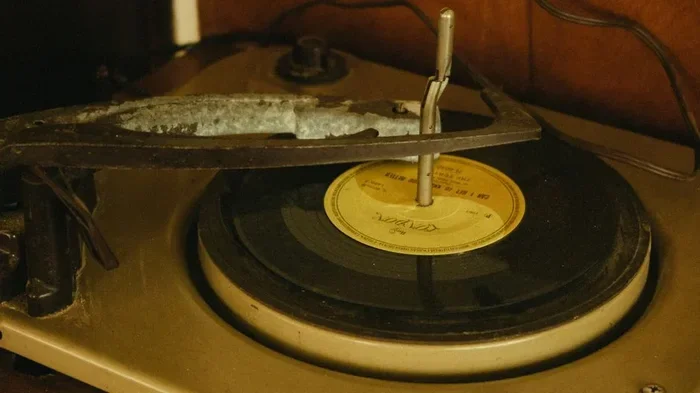
Gramophones work by converting physical grooves on a record into sound waves through a mechanical system. A stylus traces the grooves, vibrates a diaphragm, and amplifies sound through a horn. Understanding this process reveals the genius behind early music reproduction.
Have you ever wondered how a gramophone plays music? It seems almost magical. A spinning disc, a tiny needle, and a flared horn create rich, warm sound. Yet there is no speaker, no electricity, and no digital technology involved. The answer lies in clever mechanical design that has fascinated people for over a century.
How Do Gramophones Work is a question that sparks curiosity in anyone who loves vintage audio. These machines represent a brilliant era of engineering. They turned physical grooves into beautiful music using nothing but simple physics. Let us explore the fascinating inner workings of this iconic device.
Key Takeaways
- Mechanical Sound Reproduction: Gramophones use physical grooves and a stylus to recreate sound without electricity.
- Key Components Matter: The diaphragm, horn, and needle work together to amplify and project audio.
- Grooves Carry the Music: Every sound is etched into vinyl or shellac records as microscopic undulations.
- Acoustic Amplification: The horn shape naturally boosts volume and clarity before electronic amps existed.
- Gramophones Differ from Modern Players: They rely entirely on mechanical energy rather than digital or electronic signals.
- Proper Care Ensures Longevity: Cleaning and storing your gramophone correctly preserves sound quality for decades.
📑 Table of Contents
What Is a Gramophone?
A gramophone is a device that plays recorded music from a disc. It was invented in the late 1800s and became wildly popular in the early 1900s. Unlike modern record players, gramophones work entirely through mechanical means. No batteries, no plugs, no digital conversion needed.
The machine reads tiny grooves carved into a record. These grooves contain the shape of sound waves from the original performance. As the record spins, a needle follows those grooves. The vibrations travel through the machine and become the music you hear. This simple yet elegant process changed how people experienced music forever.
The Key Components Inside a Gramophone
How Do Gramophones Work becomes much clearer when you understand the main parts. Each component plays a specific role in turning grooves into sound. Here are the essential pieces inside a gramophone.
The Record
The record is the source of all music. Early gramophones used shellac discs, while later models played vinyl records. The surface contains tiny spiraling grooves that run from the outside edge toward the center. These grooves are physically shaped to match the original sound waves.
Each groove has microscopic variations. Some parts are wider, some are narrower. Some curves deeper, some stay shallow. These variations encode the audio information. Think of it like a fingerprint for sound. Every song, every note, every whisper lives inside those tiny ridges.
The Stylus and Tonearm
The stylus is the small needle that rests inside the groove. It is usually made of sapphire or diamond. As the record spins, the stylus rides along the groove walls. It vibrates back and forth, following every tiny contour carved into the disc.
The tonearm holds the stylus in place and guides it across the record. It must apply just the right amount of pressure. Too much force damages the grooves. Too little force causes the stylus to skip. This balance is essential for clear sound reproduction.
The Diaphragm
The diaphragm is a thin, flexible membrane inside the gramophone. When the stylus vibrates, it transfers those vibrations to the diaphragm. The diaphragm then moves back and forth rapidly. This movement pushes and pulls the air around it. That air movement creates sound waves. The diaphragm essentially turns mechanical energy into audible music.
How Sound Is Produced Step by Step
Understanding how gramophones work means following the sound journey from start to finish. Here is the step-by-step process.
- The record spins on the turntable at a steady speed.
- The stylus drops into the groove and begins tracing its path.
- The groove’s physical shape causes the stylus to vibrate.
- These vibrations travel through the tonearm to the diaphragm.
- The diaphragm moves air particles, creating sound waves.
- The horn catches and amplifies those waves for your ears.
Every step happens mechanically. There is no electrical signal involved. The entire process relies on the physical relationship between the record grooves and the moving parts of the machine. This is what makes gramophones so remarkable. They were among the first devices to reproduce sound faithfully.
The Role of the Horn and Speaker
The horn is the most visible part of a gramophone. It is the large, flared cone you see on top. Its job is to amplify the sound produced by the diaphragm. Without the horn, the music would be very quiet and thin.
The shape of the horn matters enormously. It acts as an acoustic amplifier. The narrow end connects to the diaphragm. The wide end opens into the room. This design gradually increases the volume of the sound waves. The horn shapes the sound too, giving gramophones their warm, distinctive tone.
Early gramophones had external horns that could be several feet long. Later designs tucked the horn inside the cabinet. Both approaches serve the same purpose. They make the music louder and richer without any electronic help.
Gramophone vs Modern Record Players
Many people confuse gramophones with modern turntables. They share similarities, but key differences exist. Understanding these helps clarify how gramophones work in a broader context.
Modern record players use electronic cartridges and preamps. They convert stylus vibrations into electrical signals. Those signals are then amplified by an external amplifier and sent to speakers. Gramophones skip all of that. They produce sound entirely through acoustic means.
Here is a quick comparison of the two.
- Power Source: Gramophones use mechanical energy only. Modern players need electricity.
- Amplification: Gramophones rely on horn design. Modern players use electronic amplifiers.
- Sound Quality: Gramophones offer warm, vintage tones. Modern players deliver cleaner, louder audio.
- Portability: Some gramophones are completely self-contained. Modern setups require multiple components.
- Record Type: Gramophones typically play shellac or early vinyl. Modern players handle LP, EP, and 45 rpm records.
Both devices share the same basic principle. A stylus reads grooves, and vibrations become sound. But the technology between them spans over a century of innovation.
Caring for Your Gramophone
Keeping a gramophone in good shape ensures it sounds great for years. Regular maintenance makes a big difference. Here are some simple tips.
- Clean the stylus regularly. Dust and debris affect sound quality. Use a soft brush gently.
- Store records properly. Keep them vertical and away from heat. Avoid direct sunlight.
- Check the diaphragm. Over time, it can lose flexibility. Inspect it periodically.
- Handle records by the edges. Finger oils damage the grooves over time.
- Wind the spring motor carefully. Follow the manufacturer’s instructions for winding.
Proper care preserves the authentic experience of playing music on a gramophone. A well-maintained machine can sound beautiful for generations.
The Magic Behind the Music
How Do Gramophones Work ultimately comes down to one beautiful idea. Sound can be captured, stored, and replayed using only physical materials. No electricity required. No software needed. Just grooves, a needle, and clever engineering.
Gramophones opened the door to the modern music industry. They made music accessible to ordinary people for the first time. Families could listen to their favorite songs at home. Music became personal, portable, and repeatable. That legacy continues today, even as technology has evolved dramatically.
Whether you own a vintage gramophone or simply appreciate its history, understanding its mechanics deepens your connection to the music it produces. Every spin of the record brings the past to life in a truly tangible way.
Common Mistakes to Avoid
New gramophone owners sometimes make avoidable errors. Skipping record cleaning leads to scratchy sound. Playing damaged records wears out the stylus faster. Placing the gramophone near heat sources warps the cabinet. And winding the spring too aggressively can damage the motor. Take your time, learn your machine, and enjoy the process.
Quick Tips for Best Sound
- Place the gramophone on a stable, level surface.
- Let the record warm up for a few seconds before full playback.
- Keep the room quiet to appreciate the subtle details.
- Replace the stylus when it shows signs of wear.
- Use a record cleaning brush before every play.
Conclusion
How Do Gramophones Work is a wonderful question with a beautifully simple answer. Mechanical energy, physical grooves, vibrating diaphragms, and acoustic horns all work together to bring music to life. No electricity, no digital processing, just pure engineering brilliance.
Gramophones remind us that great design does not need complex technology. A spinning disc, a tiny needle, and a well-shaped horn can recreate the sound of a human voice, a piano, or a full orchestra. Understanding this process helps us appreciate the artistry behind every record and every playback. So the next time you see a gramophone, you will know exactly what is happening inside. And that knowledge makes the experience even more magical.
Frequently Asked Questions
What is the difference between a gramophone and a record player?
A gramophone uses purely mechanical amplification through a horn. A modern record player uses electronic cartridges and external amplifiers. Both read grooves on a record, but their amplification methods differ significantly.
Can you still buy gramophones today?
Yes, you can find vintage gramophones at antique shops and online marketplaces. Some companies also produce new reproductions that honor the original design. These modern versions often include subtle upgrades while keeping the classic look.
What type of records do gramophones play?
Early gramophones played shellac records. Later models were designed for vinyl records. Most vintage gramophones work best with records made for their specific era and speed settings.
Do gramophones need electricity to operate?
No, gramophones do not need electricity. They run on mechanical energy, often from a spring-loaded motor or a hand-crank. The entire sound production process is acoustic and fully self-contained.
How long do gramophone records last?
With proper care, gramophone records can last many decades. Shellac records are more fragile than vinyl. Handling them gently and storing them correctly dramatically extends their lifespan.
Is it hard to maintain a gramophone?
Not at all. Basic maintenance involves cleaning the stylus, brushing records before playback, and keeping the machine in a stable environment. These simple habits keep your gramophone sounding wonderful for years.