

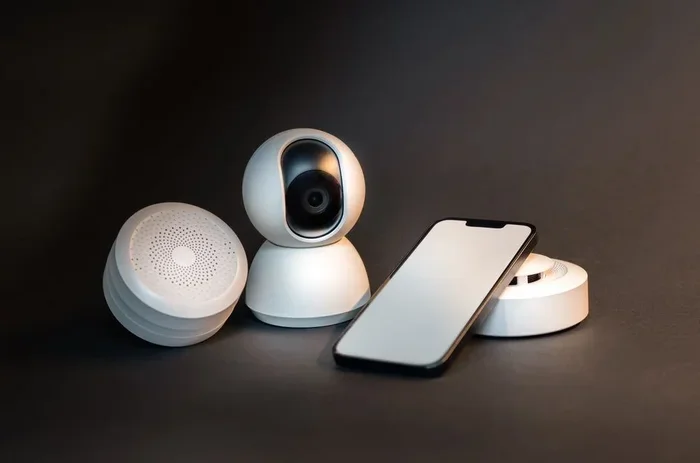
Hidden wireless cameras use radio signals and WiFi technology to transmit video without cables. These compact spy cameras capture footage and send it to a receiver, smartphone, or cloud storage. Understanding how they work helps you choose the right wireless surveillance device for home security or covert monitoring.
Have you ever wondered how those tiny spy cameras work? Hidden wireless cameras seem like something straight out of a thriller movie. But they are very real, and they are more accessible than ever. These clever devices let you monitor spaces without anyone noticing. Whether you want to boost home security or keep an eye on a caregiver, understanding how they work is the first step.
The technology behind hidden wireless cameras is simpler than you might think. At their core, these devices combine a tiny camera lens, a transmitter, and a power source. They capture video, convert it into a wireless signal, and send it to a receiver or a mobile app. No bulky wires. No messy cables. Just a small, discreet device doing its job silently.
Key Takeaways
- Wireless Transmission: Hidden wireless cameras send video signals through radio frequencies or WiFi to a receiver or app.
- Compact Design: These miniature cameras hide inside everyday objects like clocks, smoke detectors, and chargers.
- Remote Monitoring: You can view live footage from anywhere using a smartphone or computer.
- Motion Detection: Most hidden cameras activate recording only when they detect movement, saving storage space.
- Night Vision: Many spy cameras include infrared LEDs to capture clear footage in complete darkness.
- Legal Awareness: Always check local laws before using hidden recording devices to avoid privacy violations.
📑 Table of Contents
What Are Hidden Wireless Cameras?
A hidden wireless camera is a small surveillance device that records video and transmits it without using visible cables. These cameras are often disguised as ordinary household items. You might find one inside a fake smoke detector, a wall clock, or even a USB charger. The goal is to stay invisible while still capturing clear footage.
Unlike traditional security cameras, these devices prioritize stealth. They are small enough to blend into any room. Most models run on batteries, which means you can place them anywhere without needing a power outlet nearby. Some advanced covert surveillance cameras even connect directly to your home WiFi network, allowing you to watch live feeds from your phone.
How the Camera Lens Works
The lens is the eye of any hidden camera. These lenses are incredibly small, sometimes no bigger than a pencil eraser. Despite their size, modern lenses capture surprisingly sharp images. Many miniature cameras use wide-angle lenses to cover a larger area. Some also include adjustable focus, so you can fine-tune what the camera sees.
Inside the lens sits an image sensor. This sensor converts light into digital data. The better the sensor, the clearer your footage will be. Cheaper models may produce grainy video, while higher-end stealth cameras deliver full HD or even 4K resolution.
How Wireless Transmission Works
This is where the magic happens. Hidden wireless cameras use radio frequencies or WiFi to send video data. Let us break this down into two main types.
Radio Frequency Transmission
Many basic spy cameras use radio frequency, or RF, signals. The camera sends video through the air to a nearby receiver. You then plug that receiver into a TV or recording device. RF cameras typically work within a range of 100 to 300 feet. Walls and obstacles can reduce this range. These cameras do not need WiFi, which makes them great for locations with no internet access.
WiFi-Based Transmission
WiFi-enabled hidden cameras connect to your home wireless network. They stream video to a cloud server or a dedicated app on your phone. This means you can check your camera from miles away. Wireless surveillance cameras in this category are perfect for remote monitoring. You can watch your home while you are at work or on vacation.
However, WiFi cameras need a stable internet connection. If your signal drops, you may lose access to the live feed. Some models also store footage locally on a microSD card, so you still have recordings even without internet.
Power Sources and Battery Life
Most hidden wireless cameras run on rechargeable or replaceable batteries. Battery life varies widely. Some compact spy cameras last only 60 minutes on a single charge. Others can run for several hours or even days. The key is to match the battery life to your needs.
Some models come with motion detection technology. This means the camera stays asleep until it senses movement. This feature dramatically extends battery life. If you only need to record when something happens, motion-activated recording is a smart choice.
Quick Tips for Maximizing Battery Life
- Use motion detection mode instead of continuous recording.
- Choose a camera with a large battery capacity.
- Turn off the LED indicator light if it is not needed.
- Charge the battery fully before each use.
- Keep the camera in a cool, dry place to prevent battery drain.
Night Vision and Low-Light Performance
Many hidden wireless cameras include night vision capabilities. They use infrared LEDs to illuminate the area in complete darkness. The camera records in black and white during the night, but the footage remains clear and detailed.
Not all spy cameras have this feature, though. If you plan to monitor a space at night, make sure your wireless surveillance device includes infrared night vision. You can usually find this specification in the product description before you buy.
Common Uses for Hidden Wireless Cameras
People use hidden wireless cameras for many reasons. Here are some of the most common applications.
- Home Security: Keep an eye on your property while you are away.
- Nanny Cams: Monitor babysitters and caregivers in your home.
- Business Surveillance: Watch your store or office when you are not there.
- Elderly Care: Check on elderly family members without being intrusive.
- Travel Monitoring: Keep an eye on your home or pet while on vacation.
Each use case requires a slightly different type of camera. For long-term monitoring, you want a model with strong battery life and cloud storage. For short-term checks, a compact hidden recording device with a few hours of battery may be enough.
How to Choose the Right Hidden Wireless Camera
Not all spy cameras are created equal. Before buying one, consider a few key factors.
First, think about where you will place the camera. If you need it hidden in plain sight, choose a model disguised as a common object. If you need it tucked away in a corner, a tiny pinhole camera might work better.
Second, consider your connectivity needs. Do you want to monitor remotely? If yes, pick a WiFi model with a reliable app. If you just need local recording, an RF camera with a receiver and a storage card will do the job.
Third, check the video quality. Look for at least 1080p resolution. Anything lower may not capture important details like faces or license plates.
Comparison Table: RF vs WiFi Hidden Cameras
| Feature | RF Cameras | WiFi Cameras |
|---|---|---|
| Connection Type | Radio frequency signal | Home WiFi network |
| Remote Access | Limited | Full remote access |
| Internet Required | No | Yes |
| Range | 100-300 feet | Depends on WiFi signal |
| Ease of Setup | Simple | Moderate |
| Price Range | Budget-friendly | Mid to premium |
Legal Considerations You Must Know
Using hidden wireless cameras comes with legal responsibilities. In most places, you can record in your own home without consent. However, recording in private spaces like bathrooms or bedrooms is almost always illegal. You also cannot secretly record someone in a place where they have a reasonable expectation of privacy.
Laws vary by country and state. Before you install any covert surveillance device, research your local regulations. When in doubt, consult a legal professional. Staying on the right side of the law protects you and respects others’ privacy.
Final Thoughts
Hidden wireless cameras are powerful tools for security and peace of mind. They combine small-size engineering with smart wireless technology to give you eyes where you need them most. From RF transmission to WiFi streaming, these devices offer flexible options for every situation. Choose the right model, place it thoughtfully, and always use it legally. With the right hidden camera, you can monitor your home, your loved ones, and your business with confidence.
Frequently Asked Questions
How far can hidden wireless cameras transmit?
RF cameras typically transmit between 100 and 300 feet. WiFi cameras can reach much farther if you have a strong internet connection. Walls and obstacles can reduce the signal range for both types.
Can hidden wireless cameras record audio?
Yes, many spy cameras include built-in microphones for audio recording. However, laws about recording audio vary by location. Always check local regulations before enabling this feature.
Do hidden wireless cameras need WiFi?
Not all of them do. RF cameras transmit signals without WiFi. However, WiFi-enabled cameras need a wireless network for remote viewing and cloud storage features.
Are hidden wireless cameras easy to set up?
Most models are plug-and-play. You charge the battery, place the camera, and connect through an app or receiver. No technical expertise is required for basic setup.
How can I detect a hidden wireless camera?
You can use a hidden camera detector that scans for radio frequencies. You can also look for small lens reflections using a flashlight. Some smartphone apps can detect WiFi-based spy cameras by scanning for unknown network devices.
Is it legal to use hidden wireless cameras at home?
In most places, recording in your own home is legal. However, you cannot record in areas where people expect privacy, such as bathrooms or bedrooms. Always research your local laws to stay compliant.