

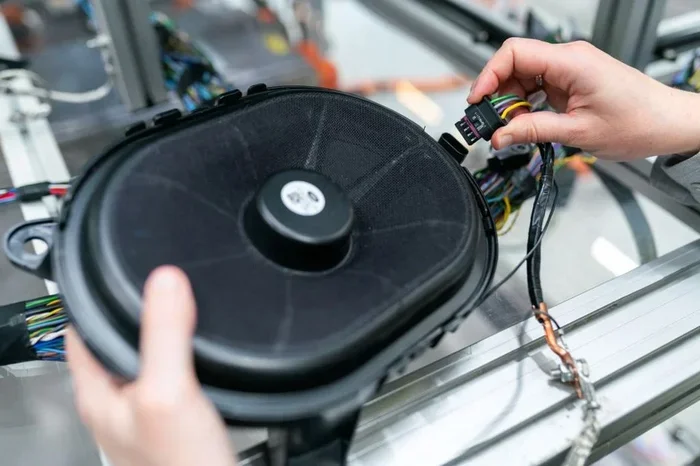
Changing 4 ohm speakers to 8 ohm is a simple process that boosts amplifier compatibility and improves sound quality. This guide covers three proven methods, a step-by-step walkthrough, and common mistakes to avoid. You will learn how to safely modify your speaker impedance for a better audio setup.
Key Takeaways
- Know your ohm rating: Speaker impedance affects how your amplifier performs and how safe your system stays.
- Three methods work: You can use a series resistor, rewire in series, or use an impedance matching transformer.
- Series wiring doubles impedance: Connecting two 4 ohm speakers in series gives you 8 ohms total.
- Always match your setup: Check your amplifier manual before making any changes to avoid damage.
- Avoid common mistakes: Do not mix ohm ratings carelessly, and never bypass crossover networks without understanding them.
- Test at low volume first: Always check your connections before running your system at full power.
- Better sound quality follows: Proper impedance matching leads to cleaner audio and less distortion.
📑 Table of Contents
Understanding Speaker Impedance
Speaker impedance plays a big role in how your audio equipment performs. When you see a label that says 4 ohms or 8 ohms, that number tells you the speaker impedance or the electrical resistance the speaker puts on your amplifier. Think of it like water flowing through a pipe. A thinner pipe creates more resistance, just like a lower ohm rating does.
Most common home speaker drivers come in either 4 or 8 ohm configurations. Your stereo system needs to match these ratings to work properly. If the impedance matching is off, your amplifier may overheat or sound weak. Understanding this basic idea helps you make smarter choices about your setup.
Every speaker cabinet has a voice coil inside the driver. This coil creates the resistance that defines the ohm rating. The electrical load your speaker places on the amplifier determines how much power flows through the system. Getting this right is the foundation of any good audio setup.
Why Change 4 Ohm Speakers to 8 Ohm
There are several reasons you might want to change 4 ohm speakers to 8 ohm. Some amplifiers simply work better with higher impedance loads. Others may not handle the lower resistance that 4 ohm speakers create.
Better Amplifier Compatibility
Not all amplifiers are built the same way. Many older or budget-friendly models expect an 8 ohm speaker configuration. When you connect a 4 ohm speaker, the amp has to push harder. This extra work can cause overheating or even damage over time. Switching to 8 ohms reduces the electrical load and lets your gear run cooler.
Improved Sound Quality
Your audio performance depends on a clean signal path. When an amplifier struggles with low impedance, the sound can distort. Changing to 8 ohms often delivers a cleaner, more stable sound quality. You may notice less distortion and a smoother overall audio setup.
Safer Power Handling
Your amplifier has a specific power handling range. When the ohm rating drops too low, the amp draws more current than it was designed for. This can shorten the life of your equipment. Raising the impedance to 8 ohms keeps things within safe limits.
Methods to Change 4 Ohm Speakers to 8 Ohm
You have a few practical options when you want to change 4 ohm speakers to 8 ohm. Each method has its pros and cons. Let us walk through them.
Method 1: Add a Series Resistor
This is the simplest approach. You place a resistor in series with the speaker to increase the total resistance. A 4 ohm resistor paired with a 4 ohm speaker gives you 8 ohms total. You can find these resistors at most audio equipment stores. They are cheap and easy to install.
Quick Tip: Always check the resistor wattage. A resistor that cannot handle the power handling demands will burn out. Go with at least 10 watts for most home setups.
Method 2: Rewire in Series
If you have two 4 ohm speakers, you can wire them in series wiring. This doubles the total impedance to 8 ohms. You connect the positive terminal of the first speaker to the amplifier, then link the negative terminal of the first speaker to the positive terminal of the second speaker. Finally, connect the negative terminal of the second speaker back to the amplifier.
This method works well for speaker cabinets with multiple drivers. It is a clean solution that does not require extra parts. Just make sure both speakers have the same ohm rating for best results.
Method 3: Use an Impedance Matching Transformer
An impedance matching transformer is the most professional option. It converts the speaker impedance without losing signal strength. You simply connect the transformer between the amplifier and the speaker. These transformers cost more but deliver the best results for critical audio performance.
Transformers also allow you to use parallel wiring setups safely. They handle the electrical load conversion smoothly and protect your amplifier from strain.
Comparison Table
| Method | Cost | Complexity | Best For |
|---|---|---|---|
| Series Resistor | Low | Easy | Quick fixes and single speakers |
| Series Wiring | Free | Moderate | Two or more matching speakers |
| Impedance Transformer | High | Low | Professional and critical setups |
Step-by-Step Guide to Changing Speaker Impedance
Follow these steps to safely change 4 ohm speakers to 8 ohm in your home setup.
- Turn off your amplifier and unplug all cables.
- Check the current wiring and note how the speakers are connected.
- Choose your method based on your equipment and goals.
- Make the connections carefully, matching positive to positive and negative to negative.
- Test the system at low volume first. Listen for any distortion or buzzing.
- Adjust as needed if the sound does not seem right.
Always double-check your speaker wiring before powering up. A wrong connection can damage your amplifier or speakers. Take your time and work carefully.
Quick Tip: Use a multimeter to verify the total impedance after making changes. This simple step confirms that your speaker configuration is correct before you turn the volume up.
Common Mistakes to Avoid
Many people run into trouble when they try to modify their speaker configuration. Here are the most common errors.
- Ignoring the amplifier manual. Your amp has specific impedance requirements. Always read the manual first.
- Using the wrong resistor value. A mismatched resistor can create an unsafe electrical load on your system.
- Forgetting about the crossover network. Some speakers have built-in crossover networks that affect how impedance works. Do not bypass these without understanding the impact.
- Mixing speaker types. Combining different ohm ratings in the same audio setup can cause uneven power handling and poor sound quality.
Take your time and do the research before making any changes. A little patience saves you from expensive repairs.
Final Thoughts
Changing 4 ohm speakers to 8 ohm is a practical move for many audio enthusiasts. Whether you want better amplifier compatibility, improved sound quality, or a safer electrical load, the methods above give you solid choices. Start with the simplest option and work your way up if needed.
Your speaker impedance matters more than most people realize. Taking the time to get it right makes a real difference in how your system sounds and how long your equipment lasts. Trust your ears, follow the steps, and enjoy a better audio setup every time you listen.
Frequently Asked Questions
Can I mix 4 ohm and 8 ohm speakers in the same system?
It is not recommended to mix different ohm ratings without proper knowledge. Doing so creates an uneven electrical load that can damage your amplifier. Stick to matching speaker impedance values for the safest results.
Do I need special tools to change speaker impedance?
Most methods only require basic tools like a screwdriver and wire strippers. A multimeter is helpful for verifying your speaker wiring and confirming the new ohm rating. You do not need expensive equipment for most setups.
Will changing to 8 ohm speakers reduce volume?
There may be a slight drop in volume because the electrical load increases. However, the sound quality and amplifier compatibility usually improve. The trade-off is worth it for most listeners.
Can I use a series resistor permanently?
A series resistor works as a permanent solution, but it does waste some energy as heat. For long-term use, series wiring or an impedance matching transformer is more efficient. Choose the method that fits your needs best.
What happens if my amplifier runs at the wrong impedance?
Running an amplifier at the wrong impedance matching can cause overheating, distortion, or permanent damage. Always check the ohm rating your amplifier supports before connecting speakers. Protecting your gear saves money in the long run.
Is changing speaker impedance difficult for beginners?
Adding a series resistor is the easiest method and great for beginners. Series wiring requires a bit more care with connections. An impedance matching transformer is the simplest to install but costs more. Start with the method that matches your comfort level.