

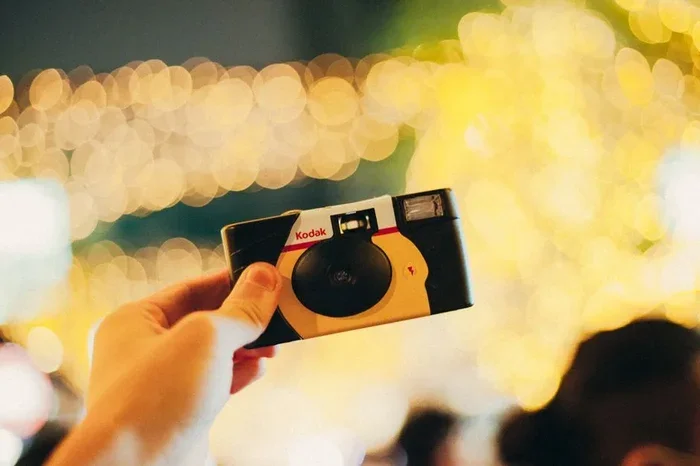
A disposable camera is a simple, pre-loaded film camera that captures photos using 35mm film and a built-in flash. It works by letting light pass through the camera lens onto the film, creating a chemical image that is revealed during photo processing. After you shoot all 27 exposures, you send the entire camera to a lab for film development and photo printing.
Have you ever wondered what happens inside a how do disposable cameras work situation? These simple little devices have been a staple of family vacations, parties, and adventures for decades. Unlike modern digital cameras, a disposable camera uses actual film to capture your memories. You wind the camera, click the shutter, and wait for the magic of photo development to reveal your pictures.
The beauty of a disposable camera lies in its simplicity. There are no settings to adjust, no apps to download, and no screen to review your shots. You point, shoot, and let the film camera technology do the rest. Whether you are a photography beginner or just looking for a fun retro experience, understanding how these cameras work can make your results so much better.
In this guide, we will walk you through every step of how a disposable camera captures images. From the camera lens to the flash photography mechanism, you will learn what makes these single-use cameras tick. By the end, you will know exactly how to get the best shots and why these analog devices still hold a special place in photography.
Key Takeaways
- Simple Design: A disposable camera uses basic components like a film roll, lens, flash unit, and small battery to capture images.
- Film-Based Capture: Light-sensitive 35mm film records images chemically, which are later revealed through photo development.
- Built-In Flash: The battery-powered flash enables indoor and low-light photography with a range of 3 to 10 feet.
- Fixed Settings: The camera uses a fixed aperture and shutter speed, making it perfect for beginners and casual users.
- Photo Processing Required: After shooting, you send the camera to a lab where the film roll is developed and prints are made.
- Analog Charm: Disposable cameras offer a nostalgic, hands-on experience that digital cameras cannot replicate.
- Affordable Fun: They are inexpensive, widely available, and great for parties, events, and travel.
📑 Table of Contents
- What Is a Disposable Camera?
- Inside the Camera: Key Components
- How the Film and Lens Capture Photos
- The Flash: Lighting Up Your Shots
- How to Use a Disposable Camera
- What Happens After You Shoot
- Tips for Better Disposable Camera Photos
- Pros and Cons of Disposable Cameras
- Tips for Better Disposable Camera Photos
- Pros and Cons of Disposable Cameras
- Tips for Better Disposable Camera Photos
- Pros and Cons of Disposable Cameras
- Tips for Better Disposable Camera Photos
What Is a Disposable Camera?
A disposable camera is a simple, pre-loaded film camera designed to be used once and then sent for processing. Inside, you will find a basic setup: a 35mm film roll, a camera lens, a flash unit, and a small battery. The entire device is built to be lightweight and easy to handle. You do not need any photography experience to use one.
These cameras go by many names. People call them one-time use cameras, snapshot cameras, or just disposable point-and-shoot devices. No matter what you call them, they all work on the same basic analog photography principles that have been around for over a century. The idea is simple. You get the camera, take your photos, and return the whole unit for photo processing. A lab develops the film roll and prints your pictures. It is a straightforward process that does not require any technical knowledge.
Inside the Camera: Key Components
To truly understand how do disposable cameras work, you need to know the parts inside. Each component plays a specific role in capturing your photos.
The Film Roll
The film roll is the heart of any disposable camera. It contains a long strip of light-sensitive material coated with silver halide crystals. When light hits this coating, it creates a latent image on the film. This image becomes visible during photo development. Most disposable cameras use standard 35mm film, which is the same type used in traditional cameras. The film moves forward one frame each time you wind the advance lever.
The Camera Lens
The camera lens focuses light onto the film. It is a simple fixed-focus lens, which means you do not need to adjust it. The lens gathers incoming light and directs it to the correct area on the film strip. A clear lens ensures sharp and well-defined images. Because the lens is fixed, it is optimized for a specific distance range, usually about 1 meter to infinity.
The Flash Unit
Most disposable cameras include a battery-powered flash for indoor or low-light photography. The flash unit contains a small bulb and a capacitor that stores energy. When you press the flash button, the capacitor releases a burst of light. This flash photography feature makes a huge difference in dark environments. The flash typically covers a range of about 3 to 10 feet, which is perfect for indoor gatherings and close-up shots.
The Battery and Advance Mechanism
A small battery powers the flash and the film advance mechanism. It is not meant to last forever, just long enough to take about 25 to 30 exposures. Once the battery dies, you can no longer use the flash, but you can still take outdoor photos in good light. The film counter on top of the camera lets you track how many shots you have left.
How the Film and Lens Capture Photos
When you press the shutter button, a sequence of events happens very quickly. The camera lens opens and allows light to pass through. This light hits the film roll, creating a chemical reaction on the light-sensitive surface.
The amount of light that reaches the film is called exposure. Too much light makes photos look washed out. Too little light makes them dark and unclear. Disposable cameras use a fixed aperture and shutter speed to manage exposure automatically. This is why they are perfect for beginners. You do not need to worry about settings. The camera handles everything for you.
After each photo, you wind the advance lever. This moves the film forward to the next frame. You can tell how many shots you have left by checking the film counter on the top of the camera. Each frame is used only once, which is why these are called one-time use cameras.
The Flash: Lighting Up Your Shots
The disposable camera flash is one of the most important features. It uses a battery-powered flash to illuminate subjects in low-light conditions. The flash typically has a range of about 3 to 10 feet. Understanding when and how to use it can dramatically improve your results.
Here are some quick tips for using the flash effectively:
- Use it indoors where natural light is limited.
- Avoid using it outdoors during the day, as it can wash out your subjects.
- Stand close to your subject for the best flash results.
- Wait for the flash to recharge before taking the next shot.
How to Use a Disposable Camera
Using a disposable camera is incredibly easy. Follow these simple steps for great results:
- Load the camera by pulling the tab to advance the film.
- Look through the viewfinder and compose your shot.
- Press the shutter button gently to avoid blurry photos.
- Wind the advance lever after each shot.
- Use the flash when shooting indoors or at night.
Remember, you cannot delete photos or review them on a screen. Every shot counts, which is part of the charm of analog photography. This mindful approach to photography is exactly why so many people love using snapshot cameras for special occasions.
What Happens After You Shoot
Once you have used all 27 exposures, you take the entire camera to a photo processing lab. The lab technicians carefully remove the film roll and develop it using chemical baths. This process reveals the hidden images on the film. The chemicals react with the silver halide crystals to form visible photographs.
The lab then prints your photos on photographic paper or scans them into digital files. You can choose to receive physical prints or digital copies. Some labs even offer photo printing services that let you create albums or frames. The whole process usually takes a few days to a week, depending on the lab.
Tips for Better Disposable Camera Photos
Want to get the most out of your single-use camera? Try these practical tips:
- Use natural light whenever possible for clearer images.
- Hold the camera steady to prevent blurry shots.
- Get close to your subject but stay within the flash range.
- Avoid bright sunlight that can overexpose your film.
- Be patient and wait for the right moment before pressing the shutter.
These small adjustments can make a big difference in the quality of your photo prints. The more you practice with your disposable camera, the better your results will become.
Pros and Cons of Disposable Cameras
Like any tool, disposable cameras have strengths and weaknesses. Here is a quick comparison:
Pros
- Very affordable and easy to find at any store.
- No technical skills needed to operate.
- Great for parties and events where people want to snap photos freely.
- Creates a fun, nostalgic experience that digital cameras cannot match.
- Durable and portable. You can take them anywhere.
Cons
- Limited number of shots per camera, usually 27 exposures.
- No way to preview or delete photos before processing.
- Flash has a short range and limited uses.
- Processing takes time and costs extra money.
- Image quality is lower than modern digital cameras.
Tips for Better Disposable Camera Photos
Want to get the most out of your single-use camera? Try these practical tips:
- Use natural light whenever possible for clearer images.
- Hold the camera steady to prevent blurry shots.
- Get close to your subject but stay within the flash range.
- Avoid bright sunlight that can overexpose your film.
- Be patient and wait for the right moment before pressing the shutter.
These small adjustments can make a big difference in the quality of your photo prints. The more you practice with your disposable camera, the better your results will become.
Pros and Cons of Disposable Cameras
Like any tool, disposable cameras have strengths and weaknesses. Here is a quick comparison:
Pros
- Very affordable and easy to find at any store.
- No technical skills needed to operate.
- Great for parties and events where people want to snap photos freely.
- Creates a fun, nostalgic experience that digital cameras cannot match.
- Durable and portable. You can take them anywhere.
Cons
- Limited number of shots per camera, usually 27 exposures.
- No way to preview or delete photos before processing.
- Flash has a short range and limited uses.
- Processing takes time and costs extra money.
- Image quality is lower than modern digital cameras.
Tips for Better Disposable Camera Photos
Want to get the most out of your single-use camera? Try these practical tips:
- Use natural light whenever possible for clearer images.
- Hold the camera steady to prevent blurry shots.
- Get close to your subject but stay within the flash range.
- Avoid bright sunlight that can overexpose your film.
- Be patient and wait for the right moment before pressing the shutter.
These small adjustments can make a big difference in the quality of your photo prints. The more you practice with your disposable camera, the better your results will become.
Pros and Cons of Disposable Cameras
Like any tool, disposable cameras have strengths and weaknesses. Here is a quick comparison:
Pros
- Very affordable and easy to find at any store.
- No technical skills needed to operate.
- Great for parties and events where people want to snap photos freely.
- Creates a fun, nostalgic experience that digital cameras cannot match.
- Durable and portable. You can take them anywhere.
Cons
- Limited number of shots per camera, usually 27 exposures.
- No way to preview or delete photos before processing.
- Flash has a short range and limited uses.
- Processing takes time and costs extra money.
- Image quality is lower than modern digital cameras.
Tips for Better Disposable Camera Photos
Want to get the most out of your single-use camera? Try these practical tips:
- Use natural light whenever possible for clearer images.
- Hold the camera steady to prevent blurry shots.
- Get close to your subject but stay within the flash range.
- Avoid bright sunlight that can overexpose your film.
- Be patient and wait for the right moment before pressing the shutter.
These small adjustments can make a big difference in the quality of your photo prints. The more you practice with your disposable camera, the better your results will become.
Frequently Asked Questions
Can you reuse a disposable camera?
No, disposable cameras are designed for one-time use only. Once the film roll is exposed and wound through, it cannot be reloaded. Sending the camera back to the lab allows you to get your photo prints but the camera itself cannot be reused.
How many photos can you take with a disposable camera?
Most disposable cameras allow you to take between 24 and 39 exposures, with 27 being the most common. You can check your remaining shots using the film counter on the top of the camera.
Does a disposable camera need batteries?
Yes, the built-in battery powers the battery-powered flash and the film advance mechanism. However, the battery only needs to last for the number of shots on the camera, which is typically around 27 exposures.
How long does it take to get photos from a disposable camera?
Processing time varies by lab, but most labs take between 3 and 7 business days to develop your film roll and deliver photo prints. Some labs offer expedited service for an additional fee.
Can you use a disposable camera flash outdoors?
You can, but it is generally not recommended during daylight. The flash is designed for low-light conditions and can wash out your subjects in bright sunlight. Use natural light outdoors whenever possible for the best results.
Are disposable cameras still worth buying in the digital age?
Absolutely. Many people love disposable cameras for the nostalgic experience and the surprise of seeing developed photo prints without previewing shots on a screen. They are perfect for parties, travel, and capturing candid moments in a fun, hands-on way.
=== CONCLUSION ===
How do disposable cameras work is a fascinating topic that shows how simple technology can still deliver amazing results. From the camera lens that focuses light to the film roll that records your images chemically, every part of a disposable camera serves an important purpose. The built-in flash photography system and automatic exposure settings make these devices incredibly user-friendly, even for complete beginners.
Whether you are using a single-use camera at a birthday party or capturing vacation memories on a 35mm film roll, the process of analog photography remains magical. The photo development and photo printing stages bring your images to life in a way that digital screens simply cannot replicate.
Now that you understand how these cameras work, you are ready to get out there and start shooting. Grab a disposable camera, follow the tips in this guide, and enjoy the timeless charm of film camera photography. Every click of the shutter brings you one step closer to creating beautiful, tangible memories that will last a lifetime.